
Graphic Design Trends 2026
With the passing of time, designers are finally coming to understand the value and benefits of unique and divergent approaches to creating visuals. What is predicted to be on the stage in 2025? Among lasting survivors on numerous ranking lists, there are also unexpected arrivals that will blow customers’ minds with their brightness and powerful message-delivery capacity. Stay tuned to see how the design history is going to unfold.
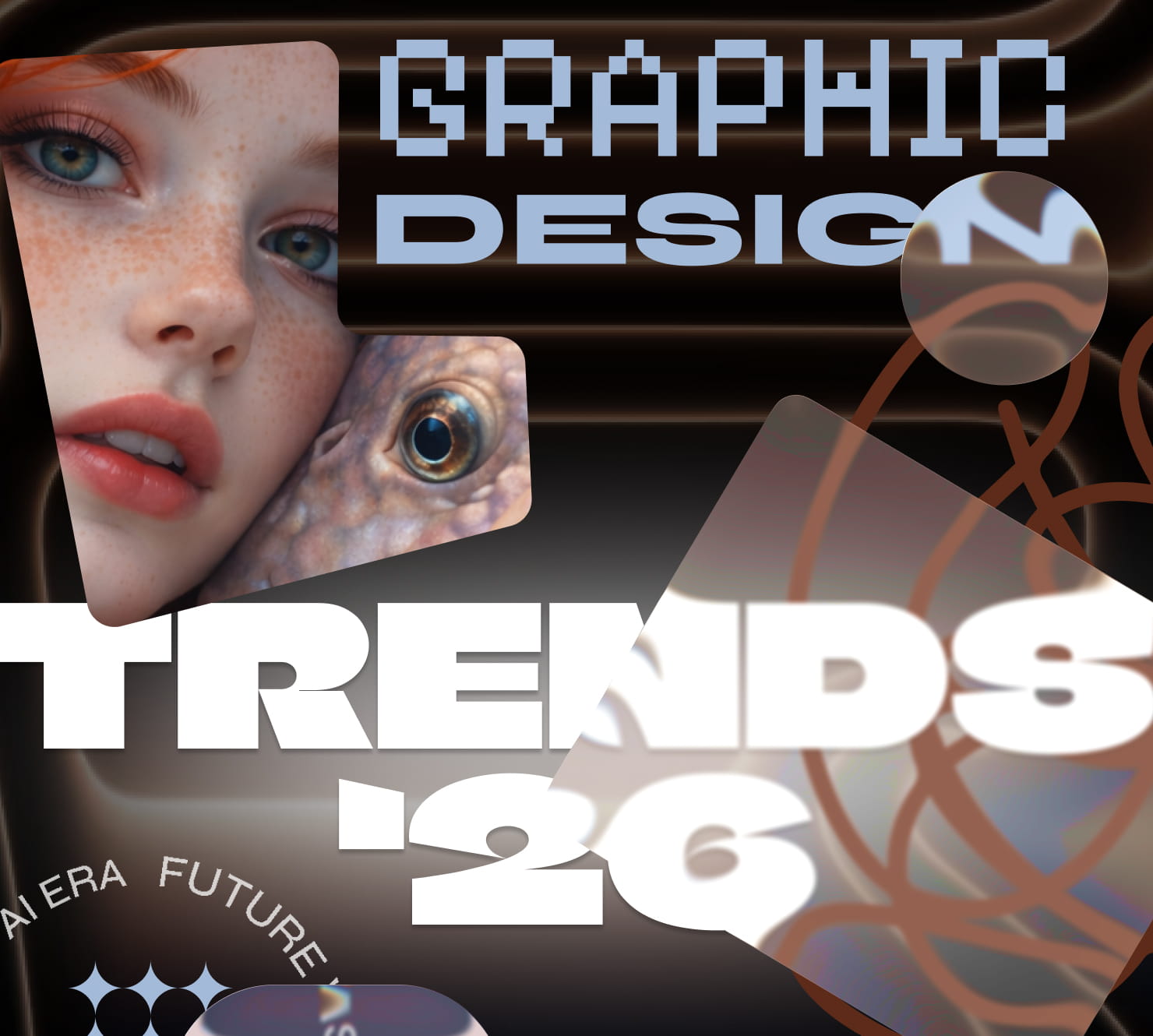
Design Trends’ Overview
No matter how stereotypical it may sound, the beginning of the new year is like turning a book page—target audiences expect unparalleled ideas and impressive art decisions to capture their attention. Knowledge is power, so trend-spotting is a worthy analysis to consider. It will move you closer to customers’ expectations and fuel your own creativity with new inspirational sources, such as:
- Machine-inspired visual language
- Digital artifacts as a design language
- Textured and vibrant
- Quirky shapes through photo cropping
- AI-enhanced design practices
- Sustainable design
- 3D
- Psychedelic
- Experimental typefaces
- Liquid gradients
- Authentic hand-drawn elements
- Intricate maximalism
- Brutalism and anti-design
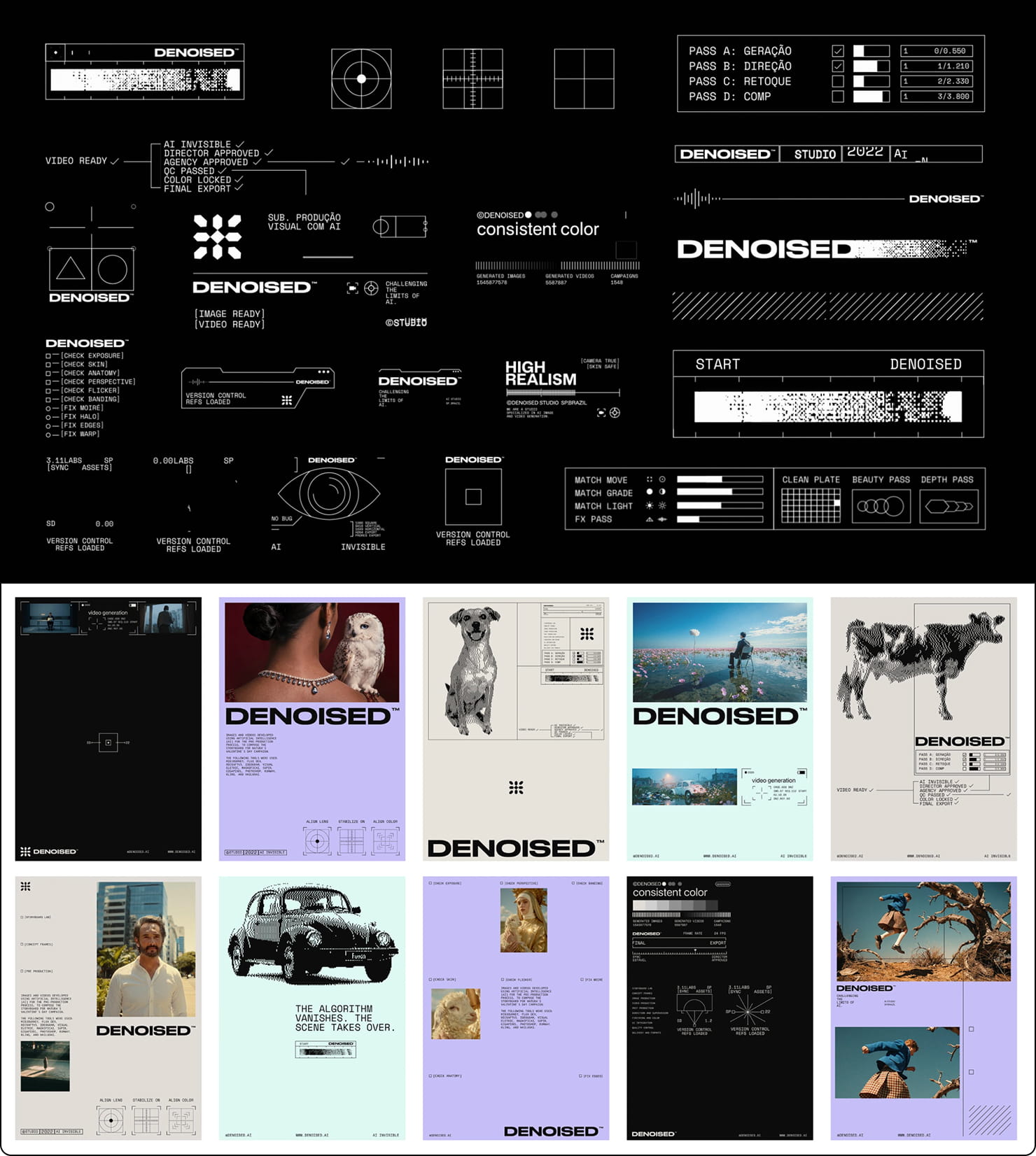
Machine-Inspired Visual Language
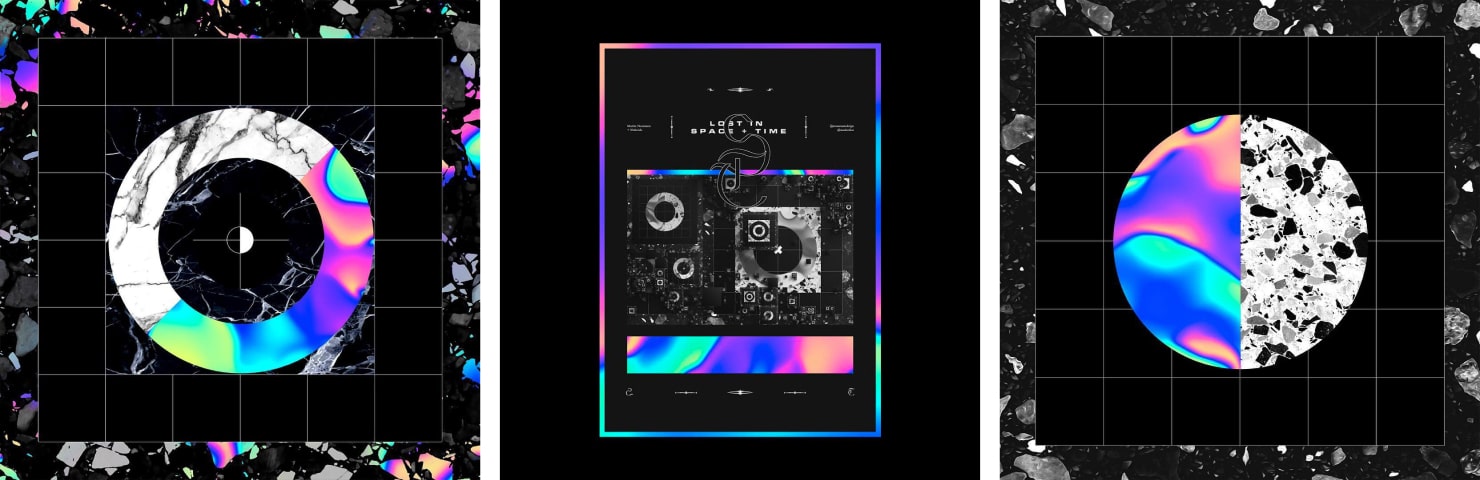
This trend represents graphic design inspired by the visual language of algorithms, systems, and data. It does not necessarily refer to AI-generated works, but rather to design compositions that appear structured, calculated, and logical. In graphic design, this aesthetic is often expressed through interface elements, technical markers, and visual systems that convey a sense of process rather than a static composition. This aesthetic is particularly characteristic of technology brands, digital products, and cultural projects connected to contemporary technologies.
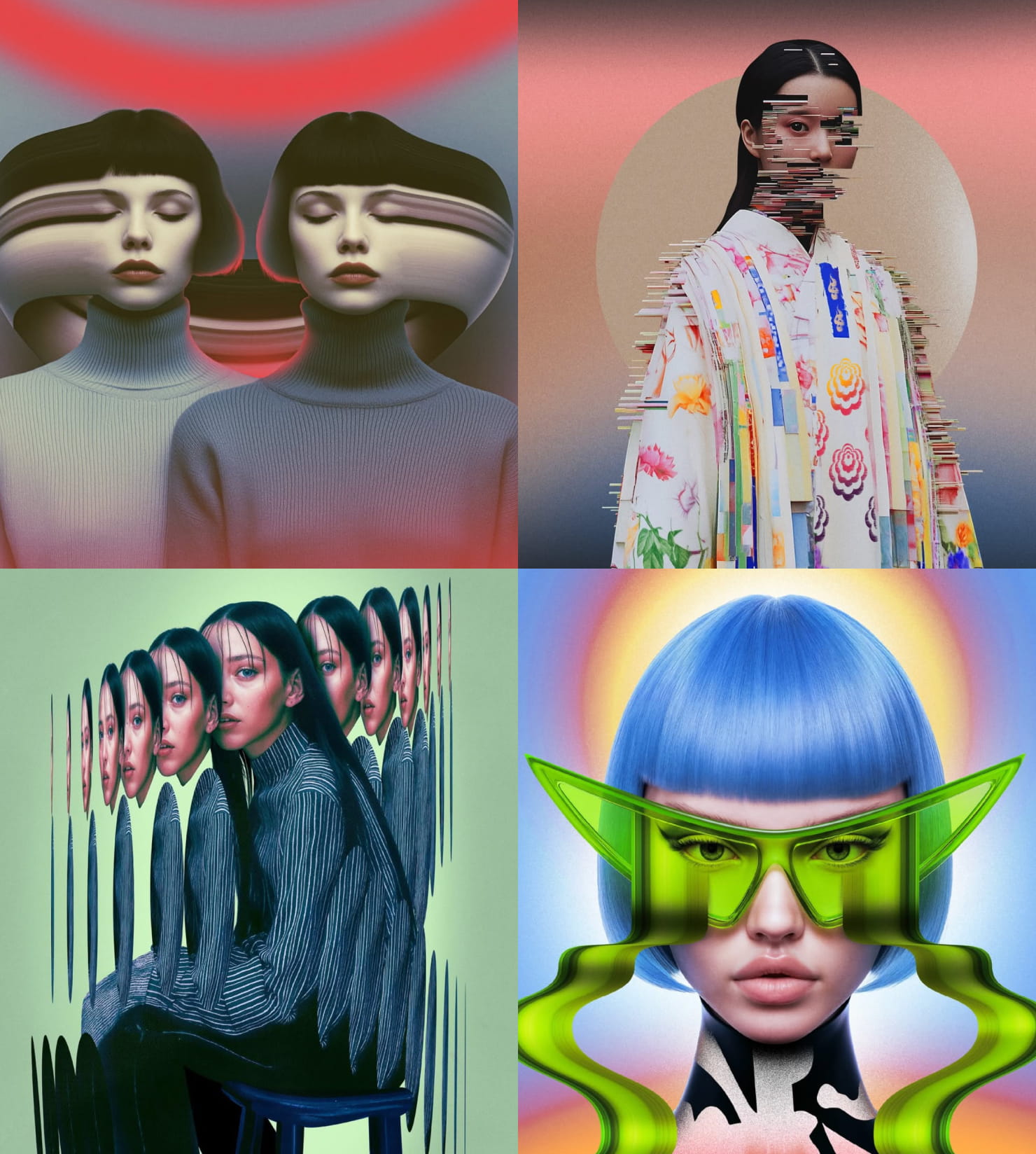
Digital Artifacts as a Design Language
Digital artifacts are no longer treated as technical flaws to be hidden. In 2026, designers increasingly use them intentionally as part of the visual language. Pixelation, compression noise, slicing, banding, and data-like distortions appear as visible traces of digital processing. These elements signal that an image is not simply “finished,” but processed, interpreted, and transformed by systems.
Unlike retro pixel aesthetics or glitch nostalgia, this approach is not about referencing past technologies. It focuses on exposing how contemporary digital tools handle images—through loss, fragmentation, and reconstruction. Digital artifacts often contrast with organic forms, illustration, or photography, creating tension between the human-made and the algorithmically altered. The result feels contemporary, imperfect, and unmistakably digital.
This trend reflects a broader shift in graphic design: moving away from flawless visuals toward images that acknowledge their own digital nature.
Textured and Vibrant
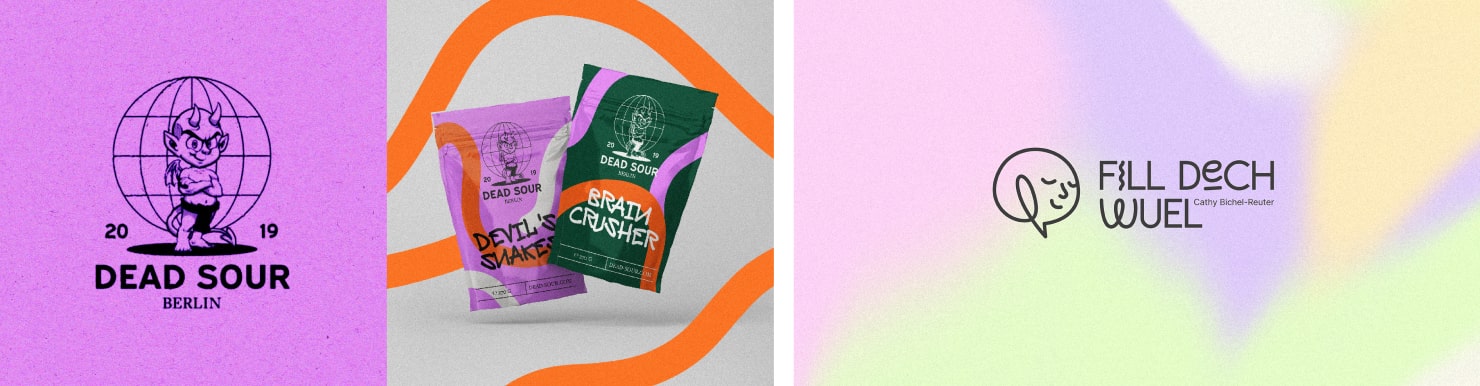
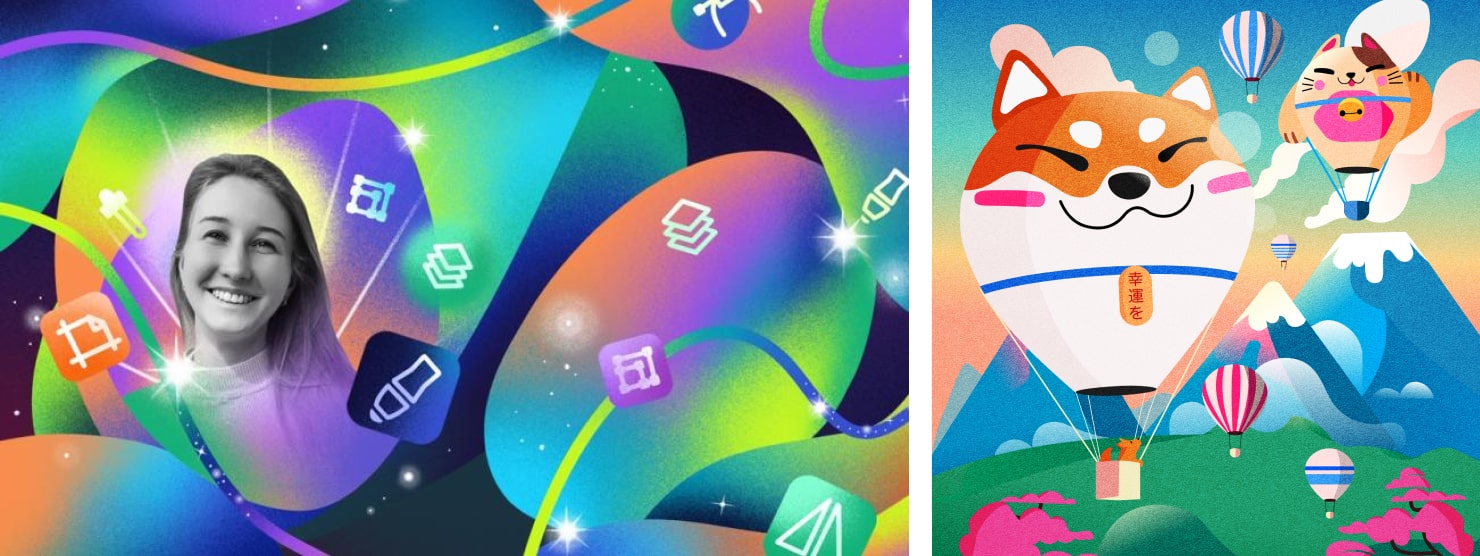
Previously, noise and grained textures were primarily associated with retro-style designs, where they conveyed a sense of authenticity and nostalgia. They were also commonly used as organic textures in eco-friendly designs, incorporating elements like paper, corkboard, or wood to enhance a visual environment that evoked connections to nature.
This year, however, these textures are taking on a new role, creating a bold synergy with vibrant backgrounds and playful gradients. Gradients have maintained their position as a popular design trend for several years now, and the addition of textures offers a fresh perspective, infusing designs with a sense of novelty and atmosphere.
Quirky Shapes Through Photo Cropping
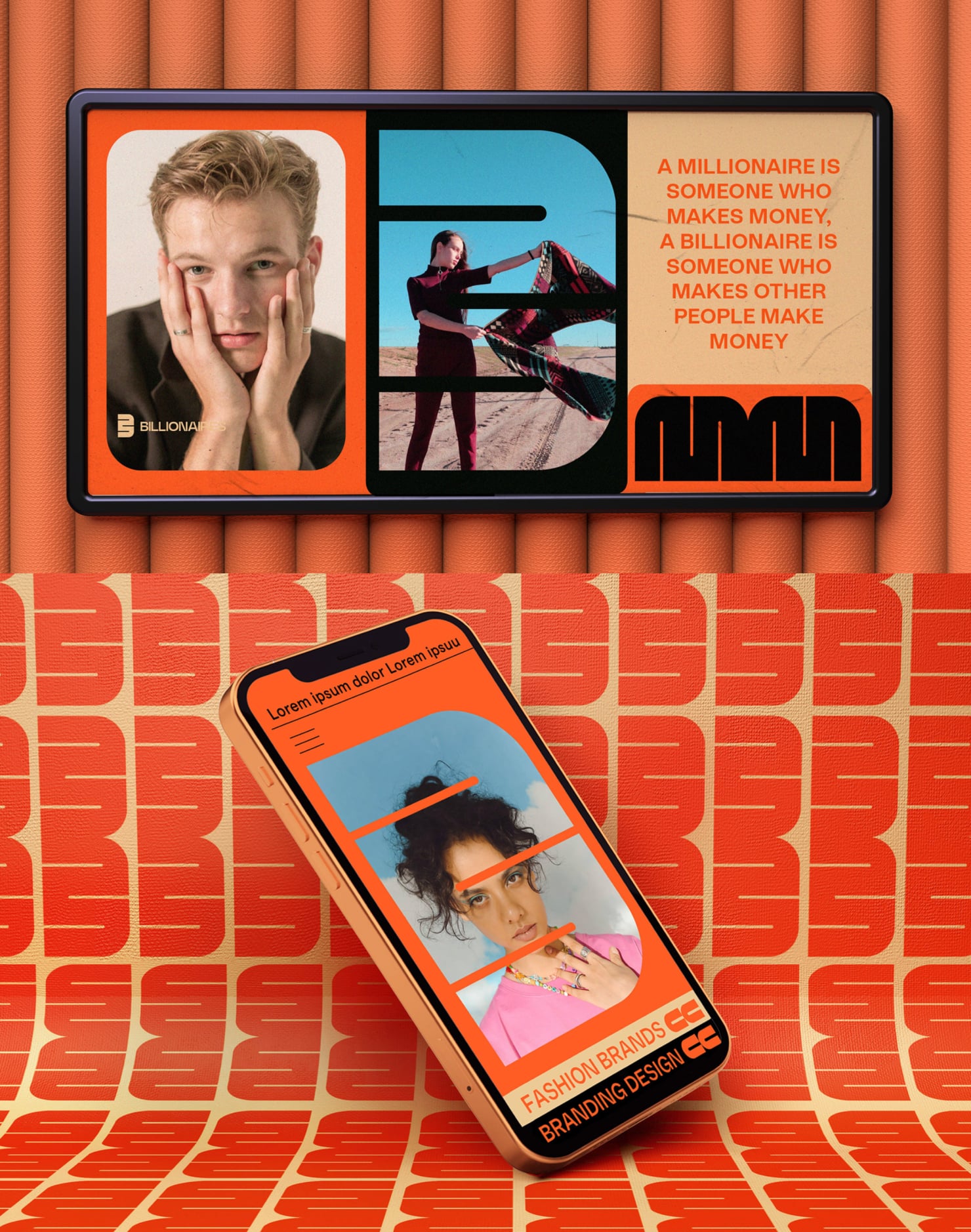
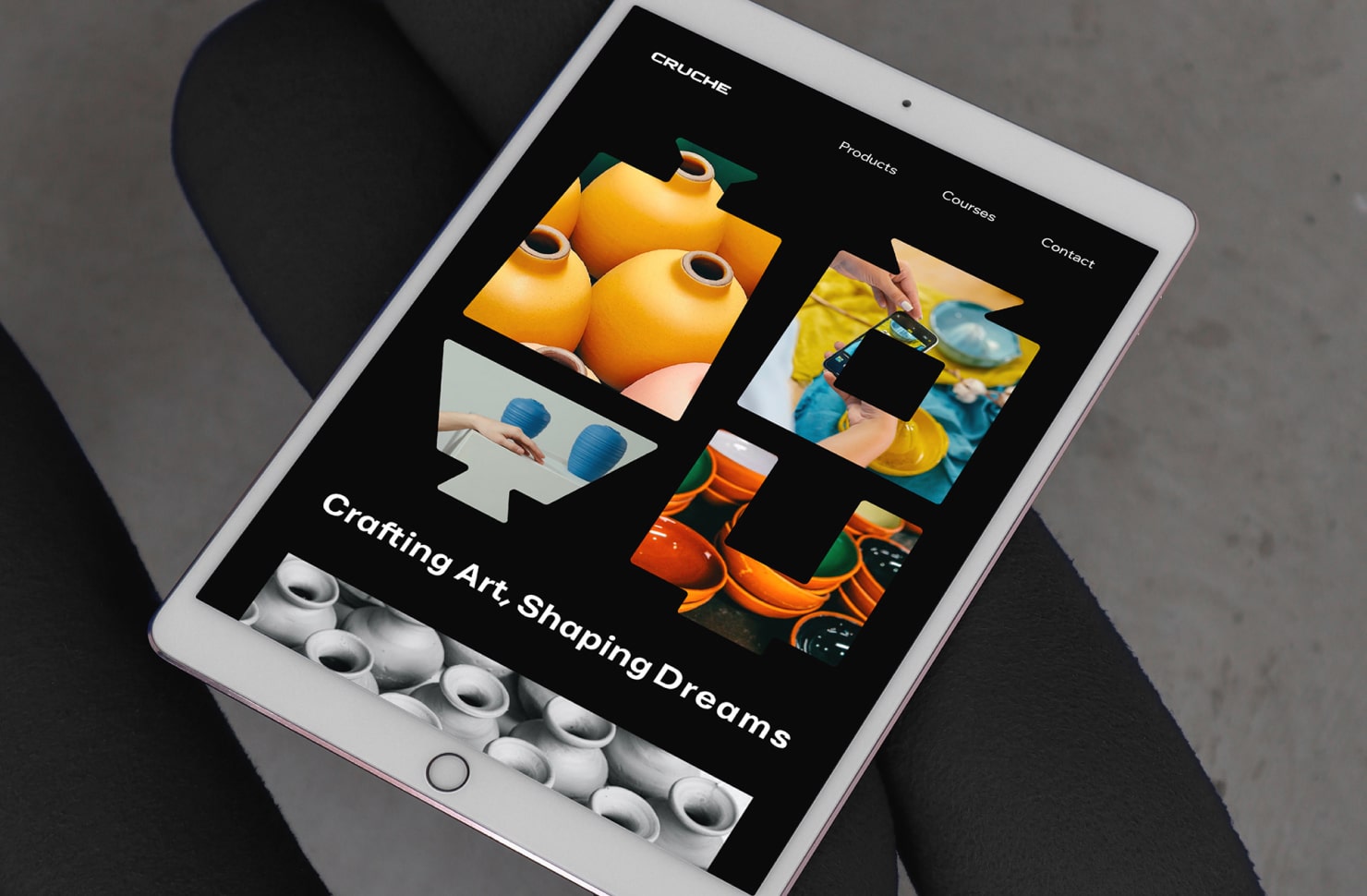
Unleash your creativity by designing unique, playful, and stylish shapes to use as photo masks in your projects. Experiment by merging classic shapes, rounding their corners, twisting, duplicating, distorting, or shearing them to create something truly original and eye-catching.
AI-Enhanced Design Practices
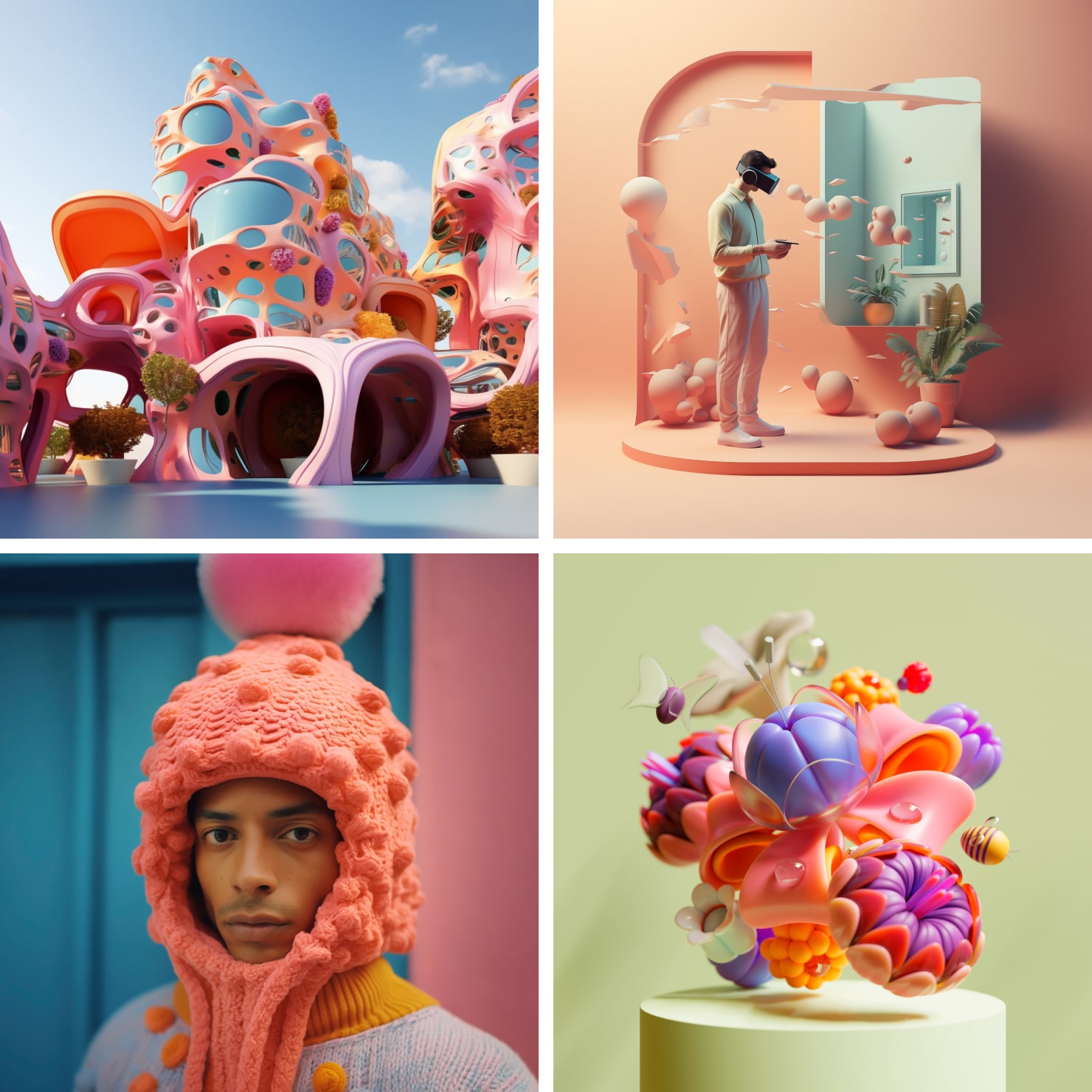
Artificial intelligence in graphic design creates fascinating and fantastic images of people, expanding the boundaries of creativity and interaction between reality and fiction. This trend manifests itself in the creation of unique graphic concepts that intertwine elements of the real world with fantastic ideas, allowing designers to experiment and reveal new possibilities.
Fantasy Portraits: Intelligent algorithms can analyze facial structures and characteristics of individuals to create portraits that combine real features with elements of fiction. This can include hairstyle transformations, make-up or even adding fantastic accessories.
Synthesis of Different Styles: The AI can mix different styles of art, fashion and design, creating looks that combine elements from abstraction to steampunk or cyberpunk.
Fairy Tale Interiors: Algorithms can use virtual reality to create fairy tale interiors, where real objects and architectural elements are combined with fantastic details. It can be a reflection of a fairy-tale world in a real environment.
Graphic Experiments: Artificial intelligence allows designers to experiment with non-standard shapes, colors and textures, creating unpredictable and exciting visual effects.
Fantasy Scenarios: Intelligent algorithms can generate graphics for fantasy scenarios such as sci-fi landscapes, futuristic cities or space landscapes.
This trend arouses interest in creativity and opens new horizons for graphic design, where fantasy and reality merge into a single artistic expression.
Sustainable Design
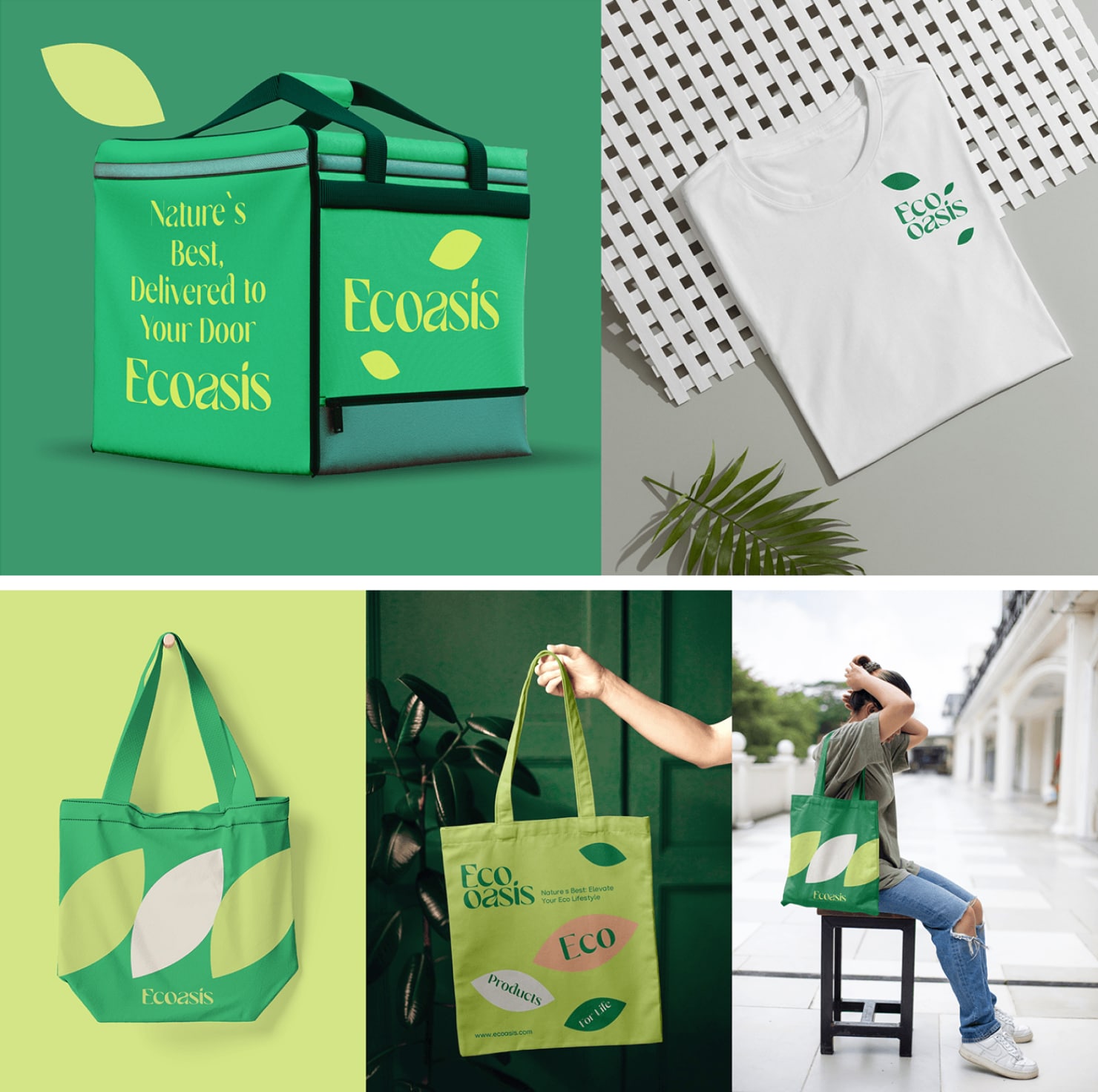
Sustainable graphic design impresses with its identity through the use of natural colors and environmentally friendly palettes. Minimalist shapes and durable designs define this style, making the graphic works relevant for a long time. Eco-iconography and natural motifs such as leaves and water drops are used to emphasize the natural connection.
Infographics are used to effectively educate about environmental issues, and energy-efficient and interactive visual effects add appeal to the web design. Graphic stories point to social responsibility, creating an image that shocks and educates at the same time.
3D
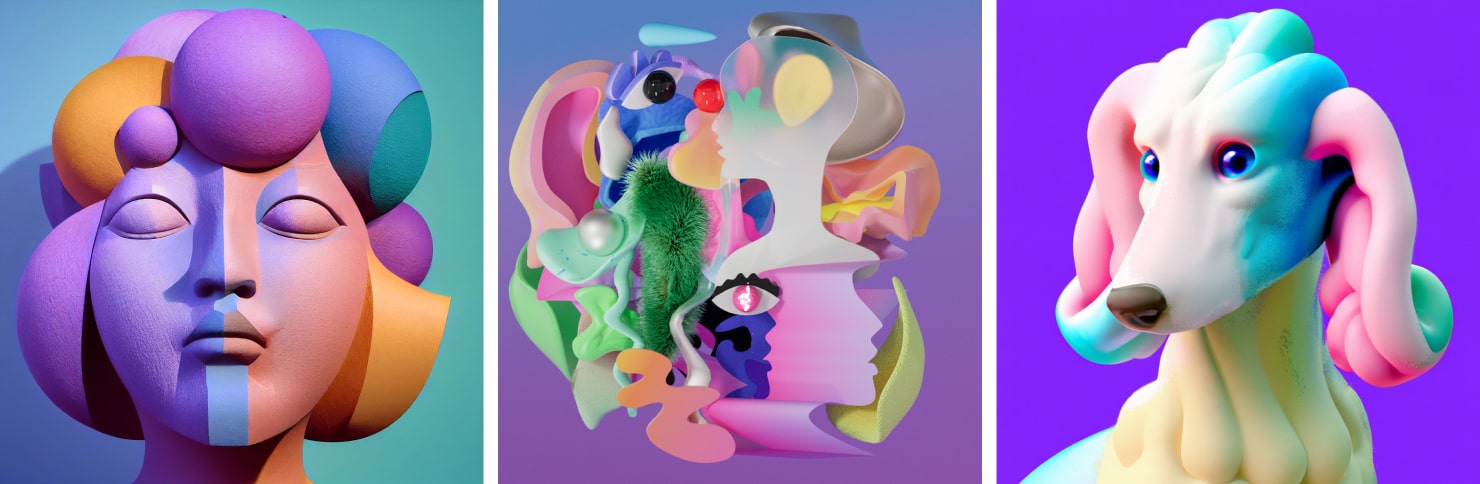
3D design is becoming very diverse. It has already started to gain popularity in the previous years and will gain even more of it in the future among various branches of design. In the coming year, its possibilities are endless, from hyper-trendy Inflatable 3D to 3D Surrealism works. With the ability to reproduce textured and realistic objects with crystal-clear clarity, it is a unique form. 3D design becomes even more detailed, impressive and textured. Glossy, metallic, edible and fur 3D designs will look as realistic as possible while being used in impressive compositions and interesting forms. One of the popular directions of 3D design will be plasticine clay, which is made with imperfect uneven surfaces, shaped as if by fingers. It shows all the beauty hidden in imperfection. In 2025, 3D design will mix with 2D and may also become a part of a mixed dimension.
Psychedelic
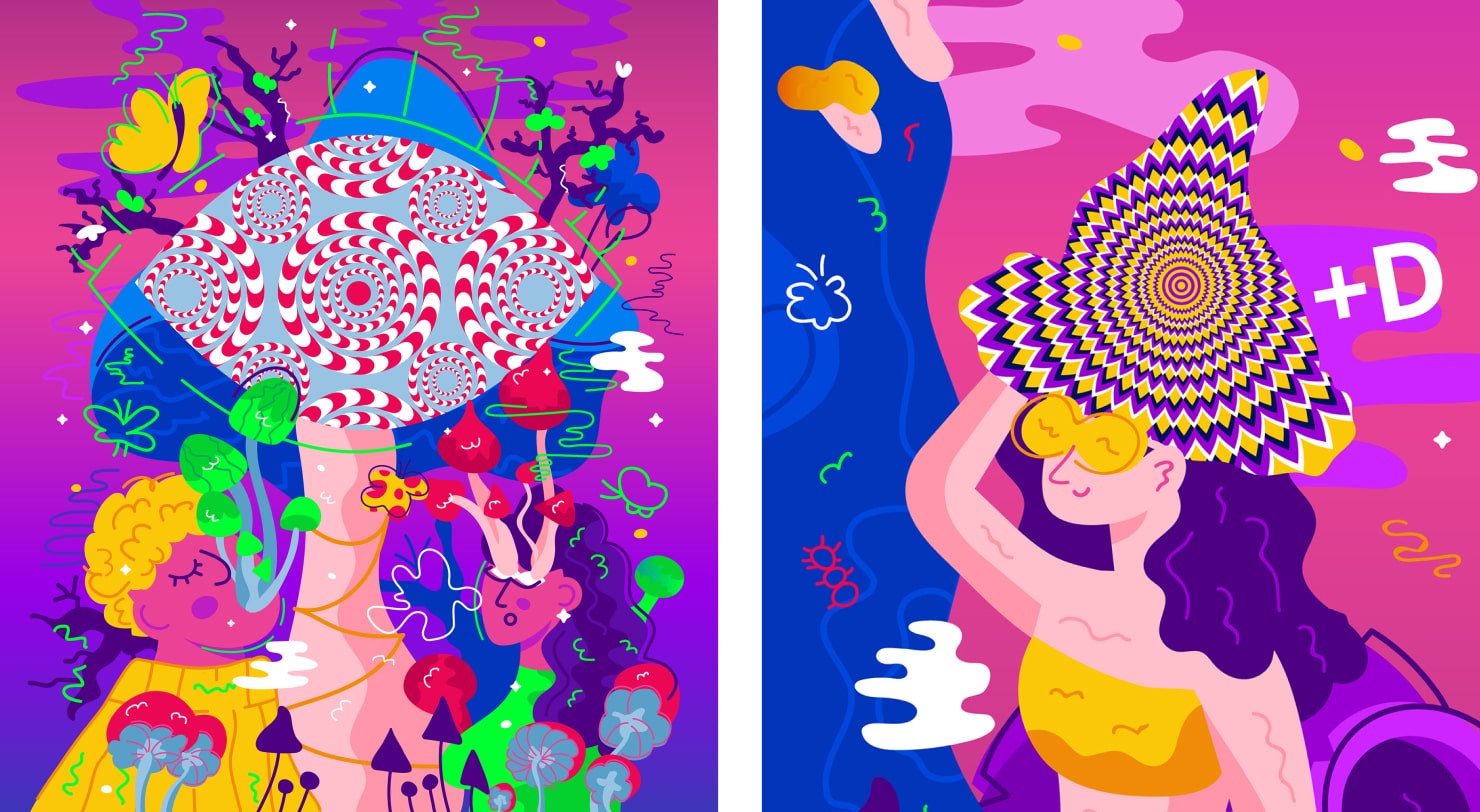
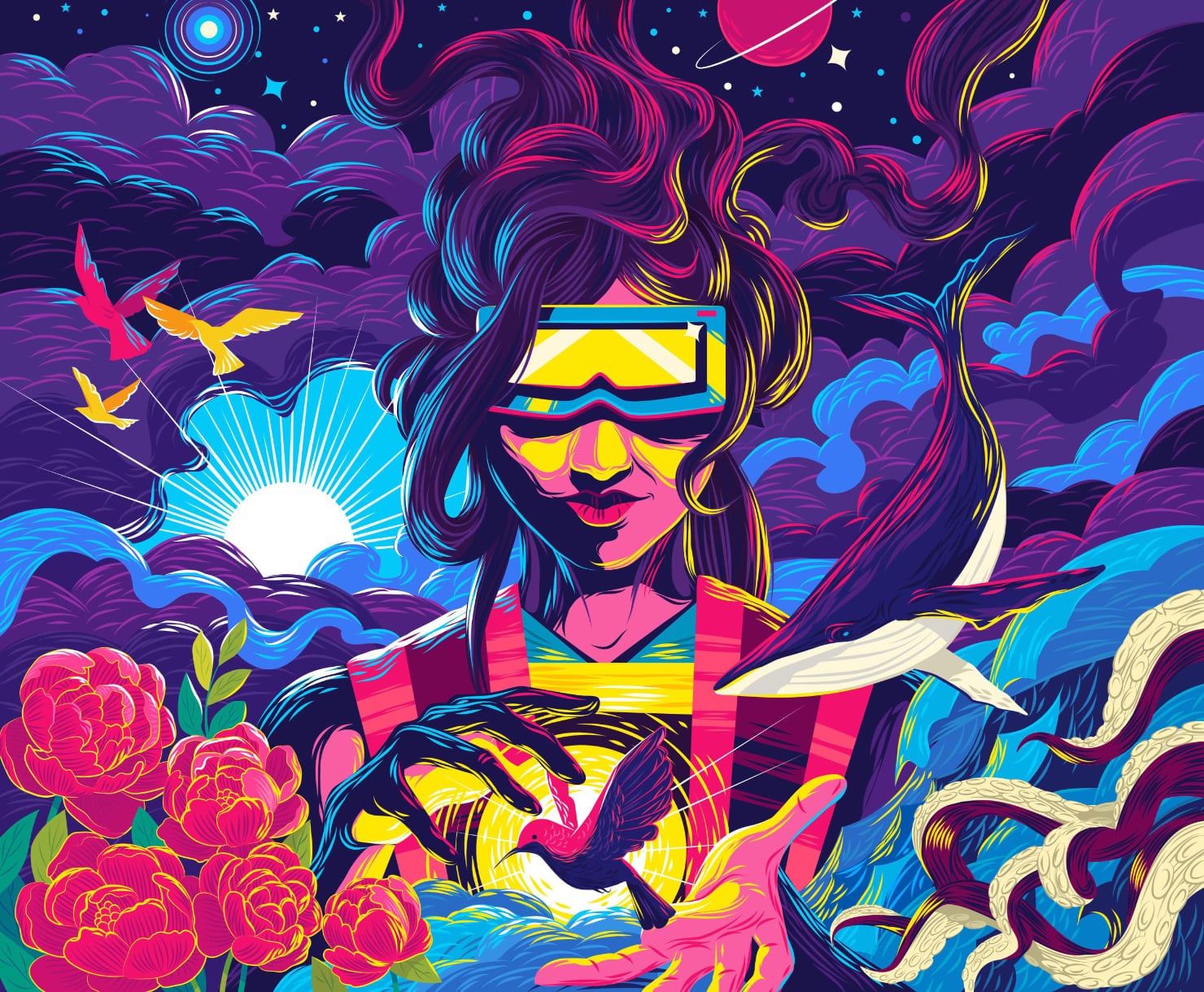
Some of the hallmarks of psychedelic art and design include whimsical fantasy imagery, kaleidoscopic and spiral patterns, overpoweringly bright and contrasting color schemes, artistic chaos, extremely intricate details, and original typography.
Experimental Typefaces
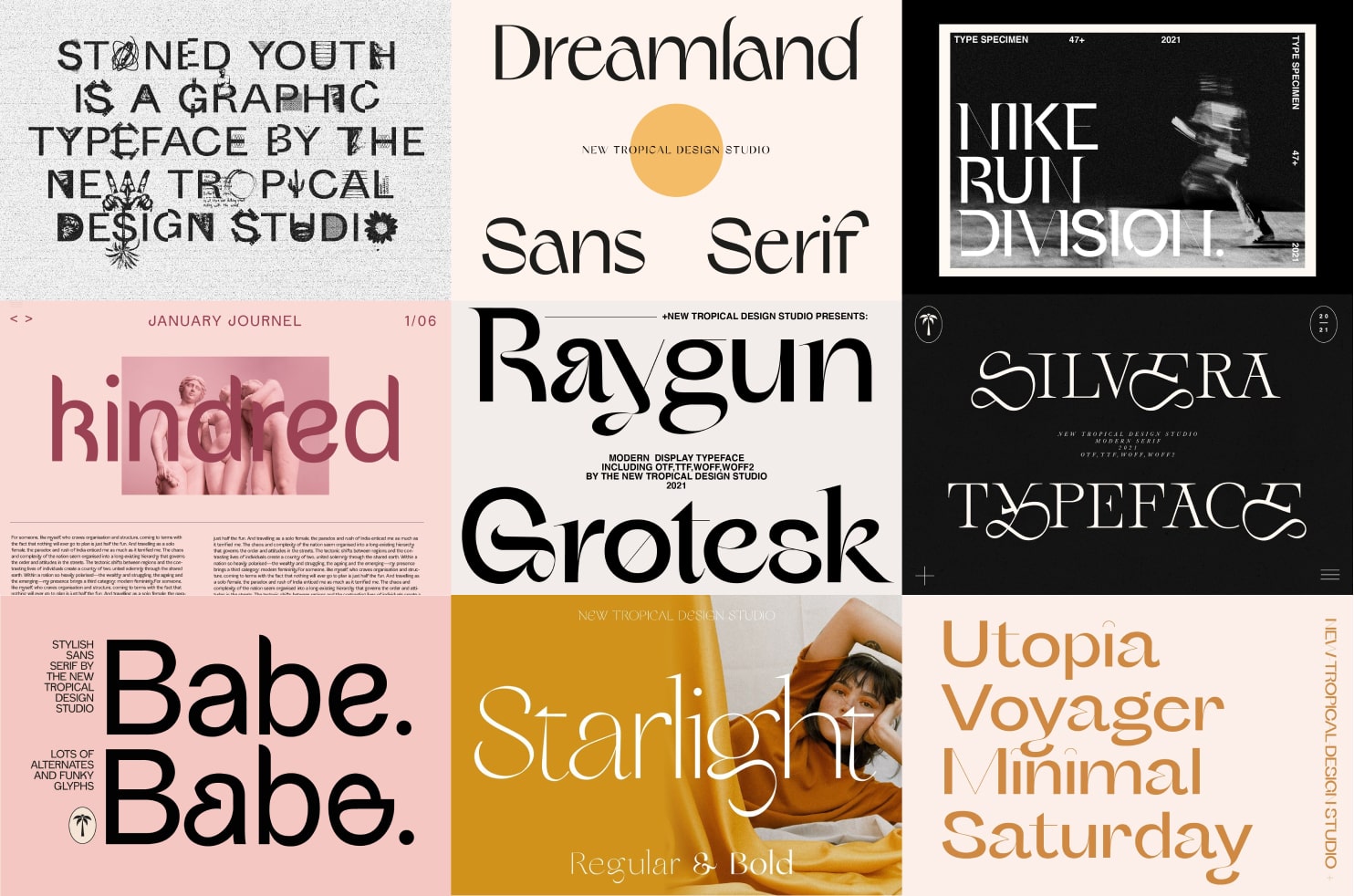
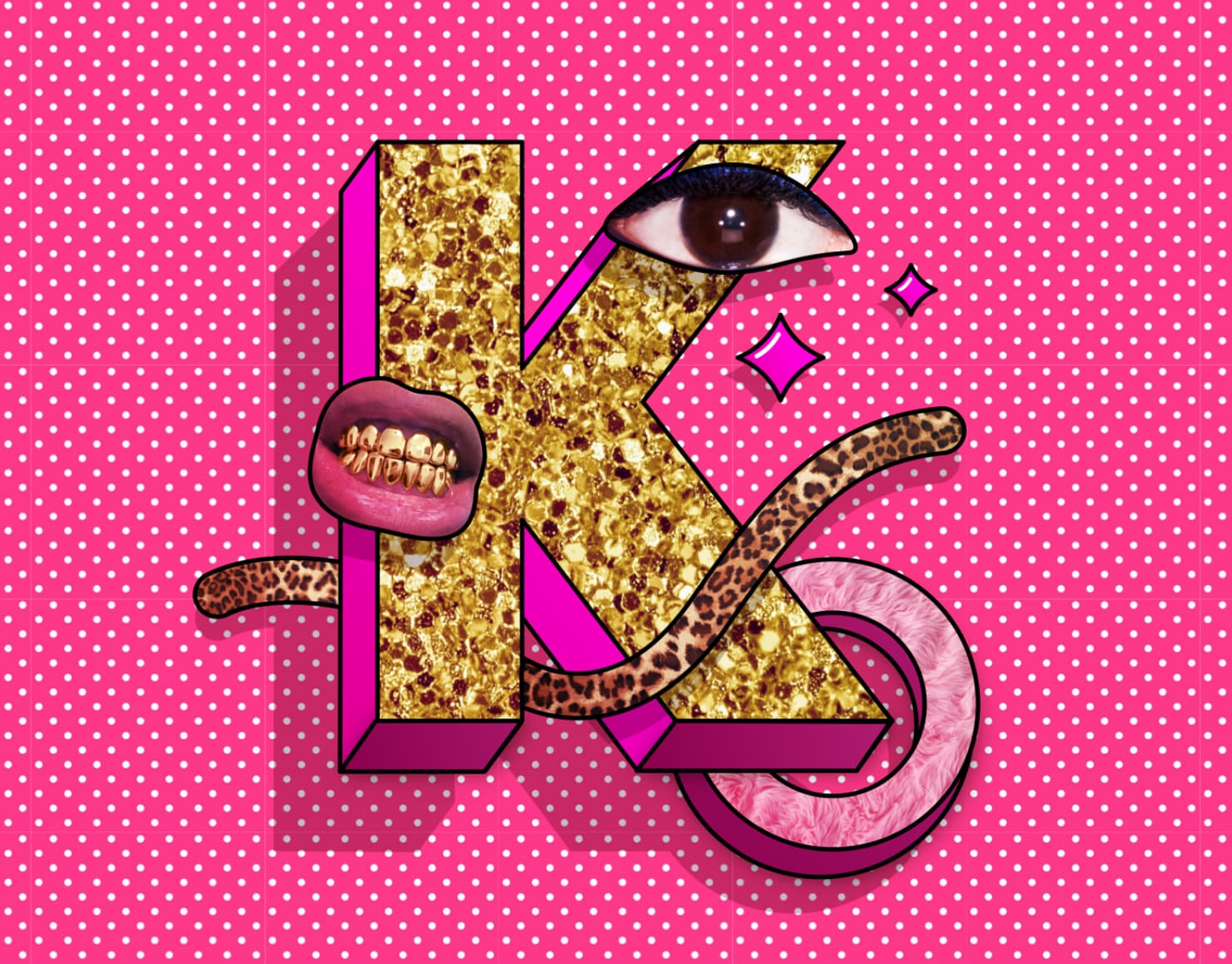
Experimental typefaces usually stem from the display family and have an unexpected look or interaction. They break all the fundamental rules of traditional typography, such as contrast, endurance and consistency, and push the letters to the limit, making them visually bright and unconventional. These text styles include whimsical lines, colors and surprising letter shapes. As a rule, they are used in design to denote anything new, unconventional, beyond simple categorization or expectation, and something that confuses or disrupts the norm.
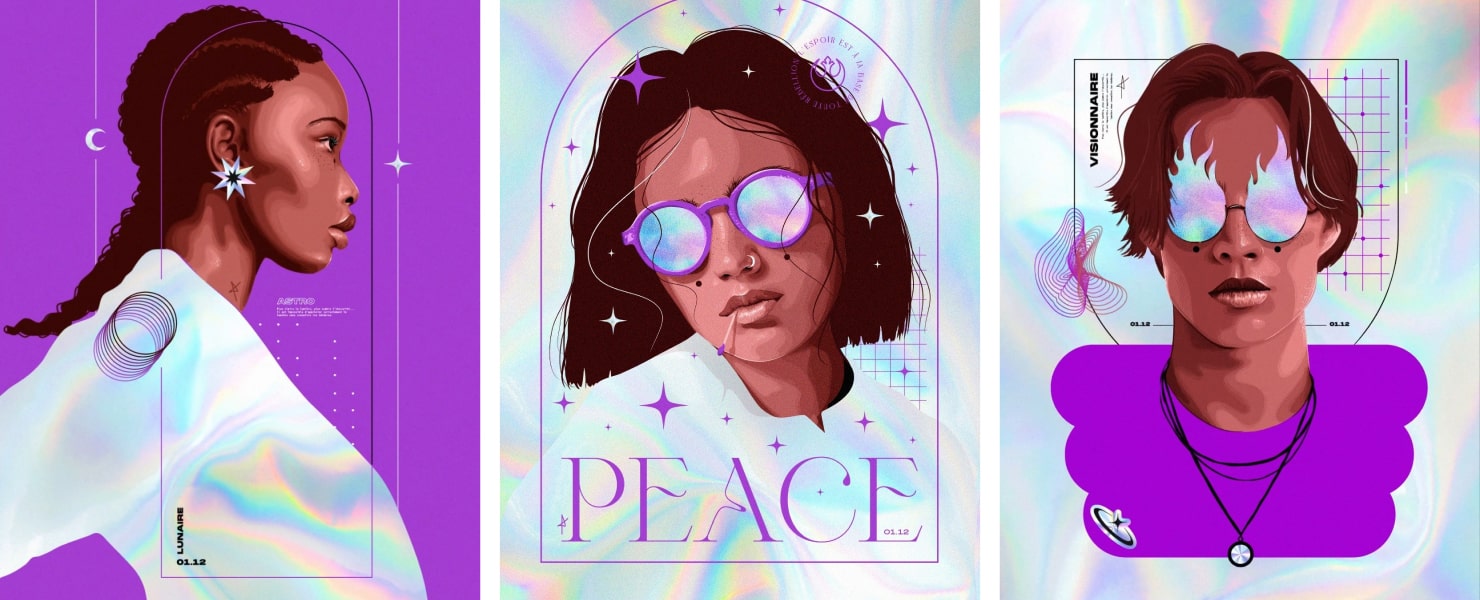
Liquid Gradients
Liquid gradients and graphics are also a popular graphic design trend in 2025. This style uses fluid textures, shapes and colors that seem to flow, creating a sense of movement in the design, making it attractive and something that will stand out from the crowd. In the color palette, they can range from discreet to brightly colored to holographic.
This trend is perfect for creative, modern businesses that want to emphasize and impress customers with their branding materials. Also, liquid gradients cause a “wow effect” when added to illustrations, graphic posters and web design. Using fluid shapes and colors, businesses can create unique brands that will stand out from the crowd.
Authentic Hand-Drawn Elements
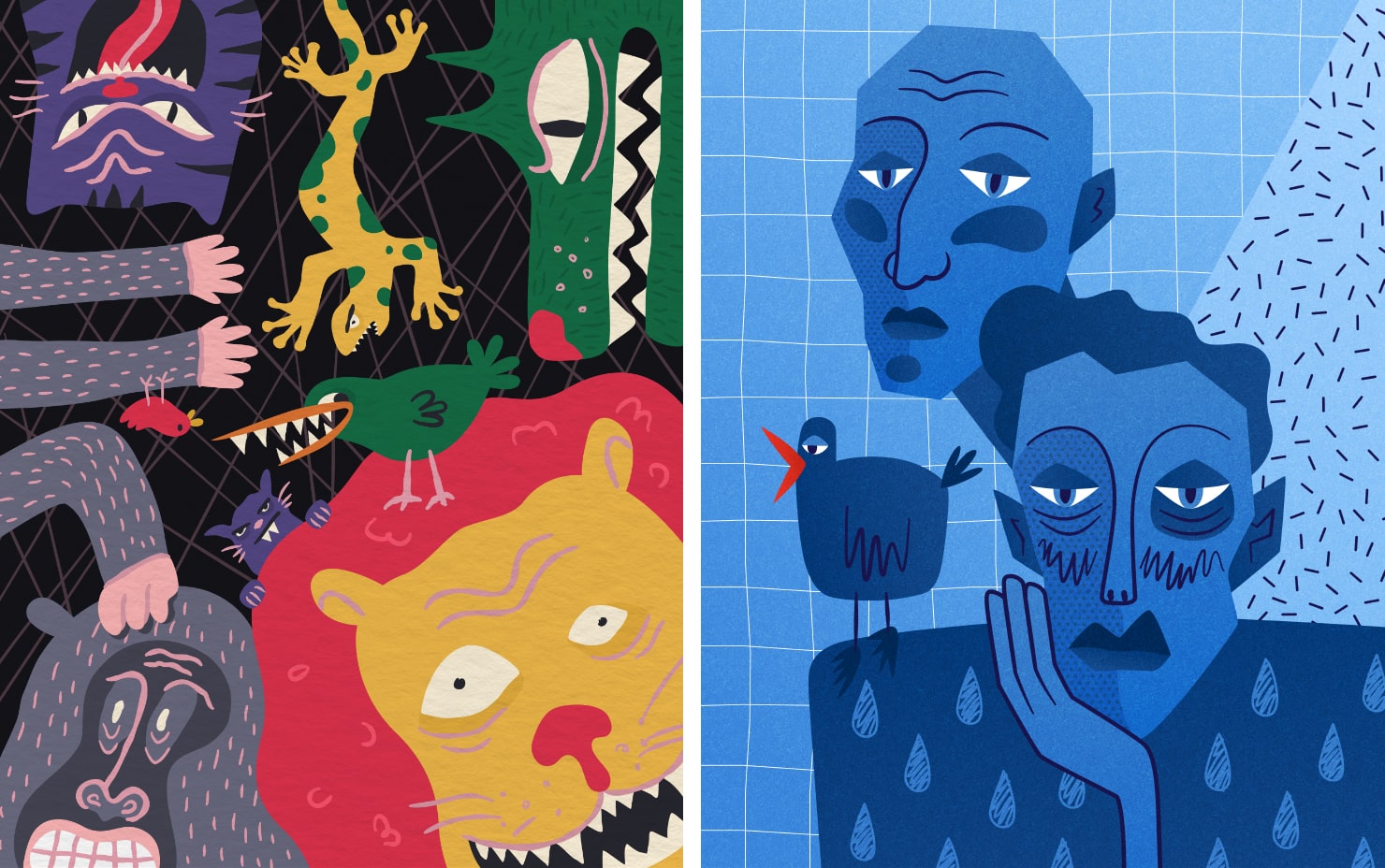
What is the best way to highlight your brand’s authenticity and personality? Thanks to drawing, social media products achieve an incomparable soul and energy. Instead of professional photos, use the power of personalized touches in your branding.
Intricate Maximalism
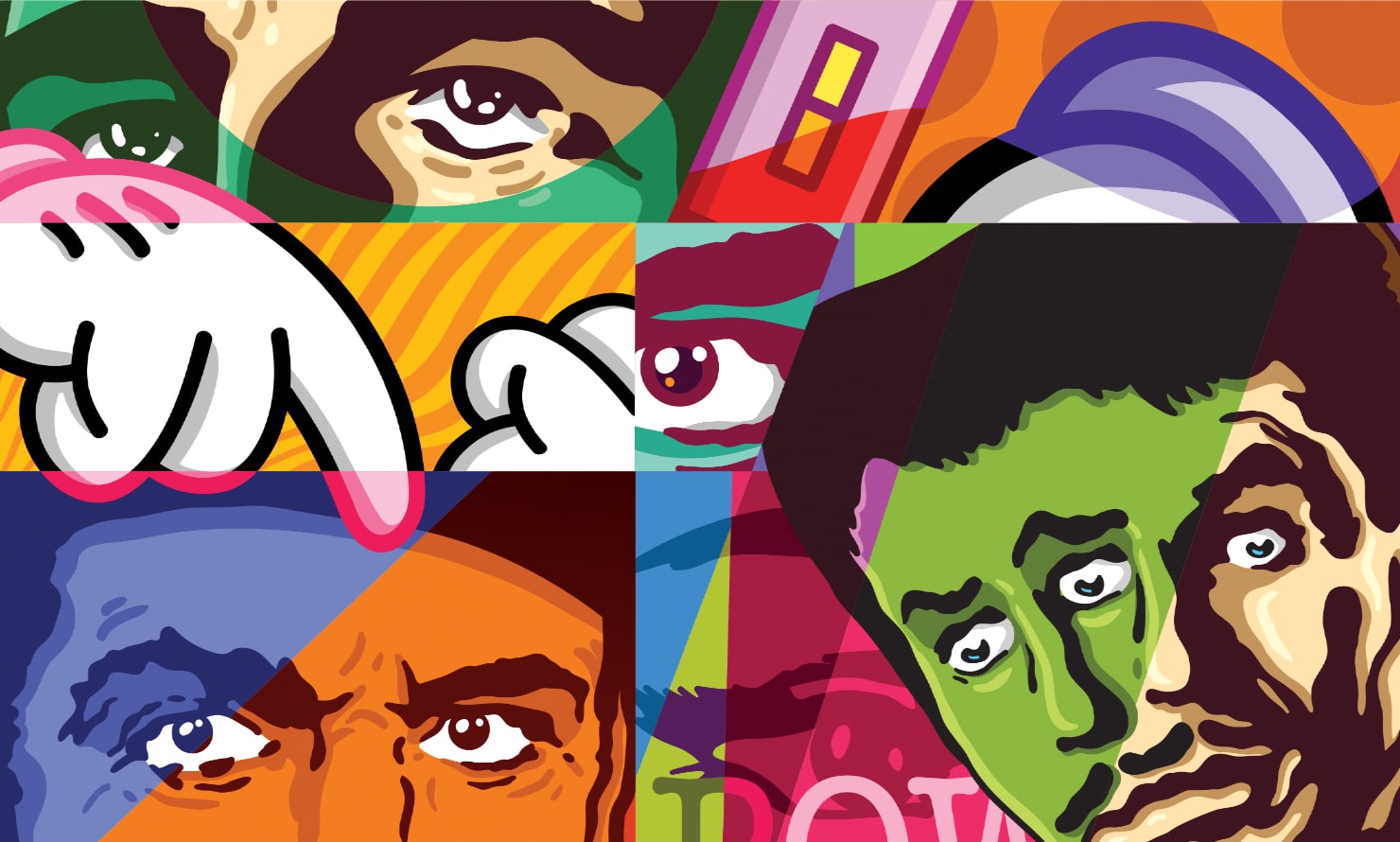
This trend is more than simply the opposite of minimalism. Thanks to the analyzed concept in branding and other projects, artists can mirror their imagination and picture of the world. Such designs consist of multiple colors and patterns, which are visually harmonious and interesting to analyze.
Brutalism and Anti-Design
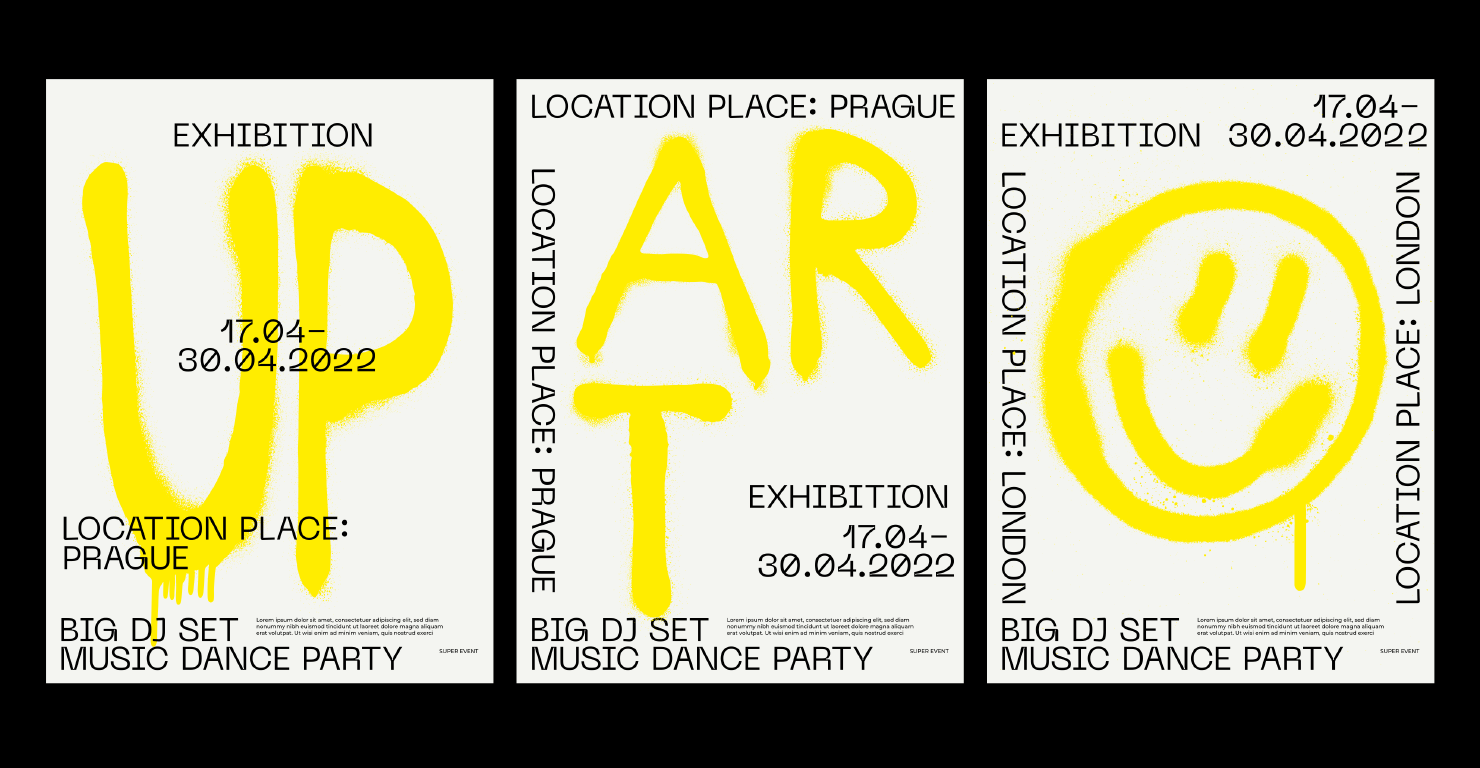
When there are design trends to accept as mainstream, there will inevitably be counterpart opinions and concepts. The anti-design is brutal and competitive in its nature. It captures viewers’ attention through non-matching colors, asymmetry, oxymoron meanings and visual comparisons. Such formats are challenging and make customers conjure up their rebellious side.
Wrap It Up
All in all, this year is going to flourish even more than the previous one with experiments and colorful ideas. It is time to boost your creativity and freedom and start relating to your audience more personally. Using modern software like Amadine, this task isn’t challenging at all.