
Logo Design Trends 2026
People’s curiosity always makes them check what’s coming next. This strategy is efficient for any field since it simplifies entering a new year with more exciting, advantageous and functional projects. Finding the outline for future tendencies in the logo design market lets you stay relevant, but it also is a powerhouse, enabling enthusiasts to attract larger audiences with unexpected and fresh solutions.
Stay tuned to get acquainted with promising logo design ideas that will raise your text from standard words. Onwards!
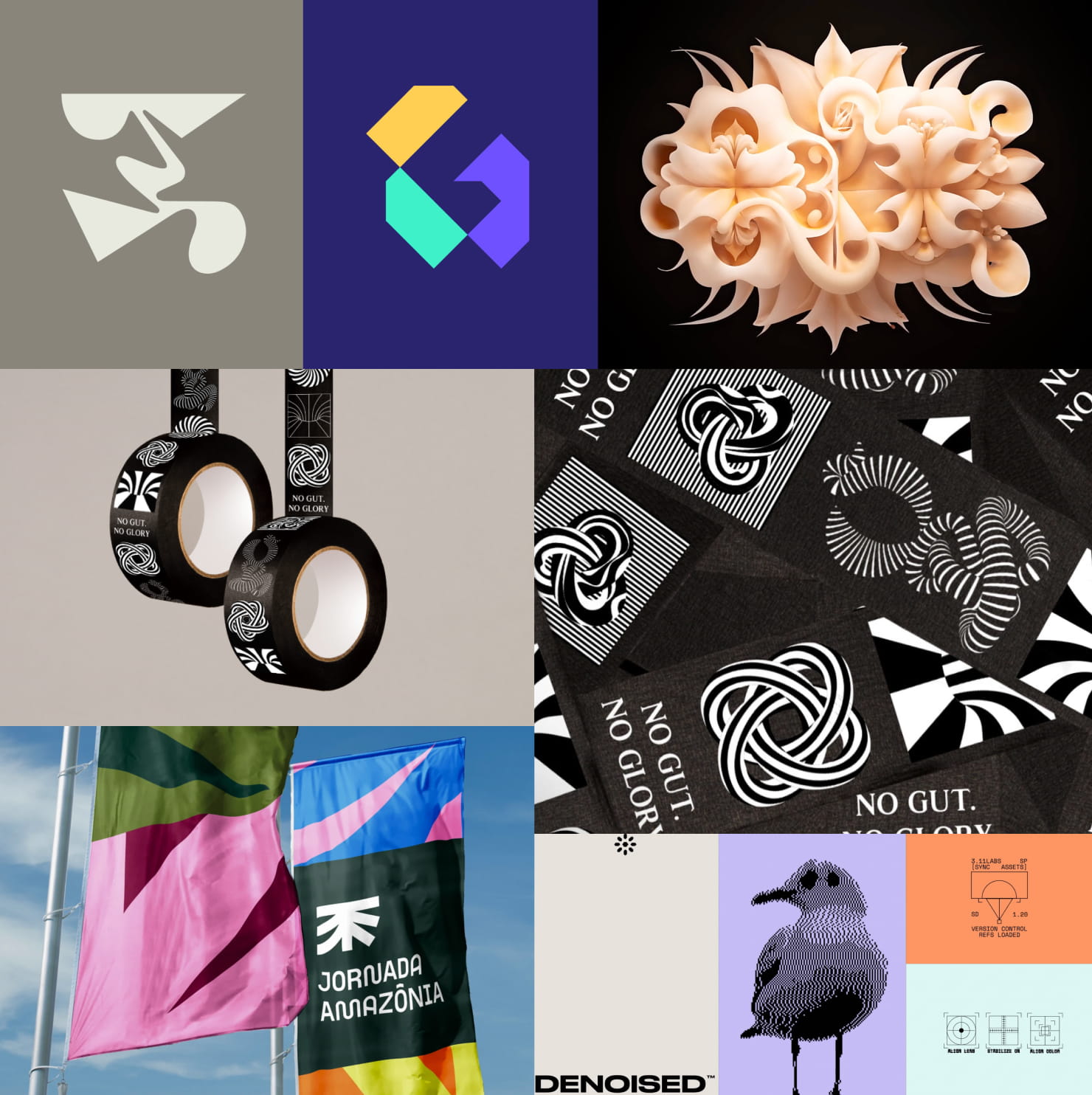
Innovative Logo Design: What to Expect in 2026
Last year brought designers multiple opportunities to enjoy the creative freedom to the full extent. The more this decade passes by, the clearer it becomes that experts in the field aren’t likely to run out of ideas and unique realization of traditional approaches for long. These graphic design trends will play a big part in carving out the aesthetics of the 2020s:
Machine-Inspired / Algorithmic Logos
Logos inspired by the visual language of algorithms, data, and machine logic. These are not necessarily logos created by artificial intelligence, but rather design solutions that appear systematic, calculated, and structured. This approach is particularly relevant for technology, AI, and data-driven brands, where the visual identity reflects the product’s underlying logic.
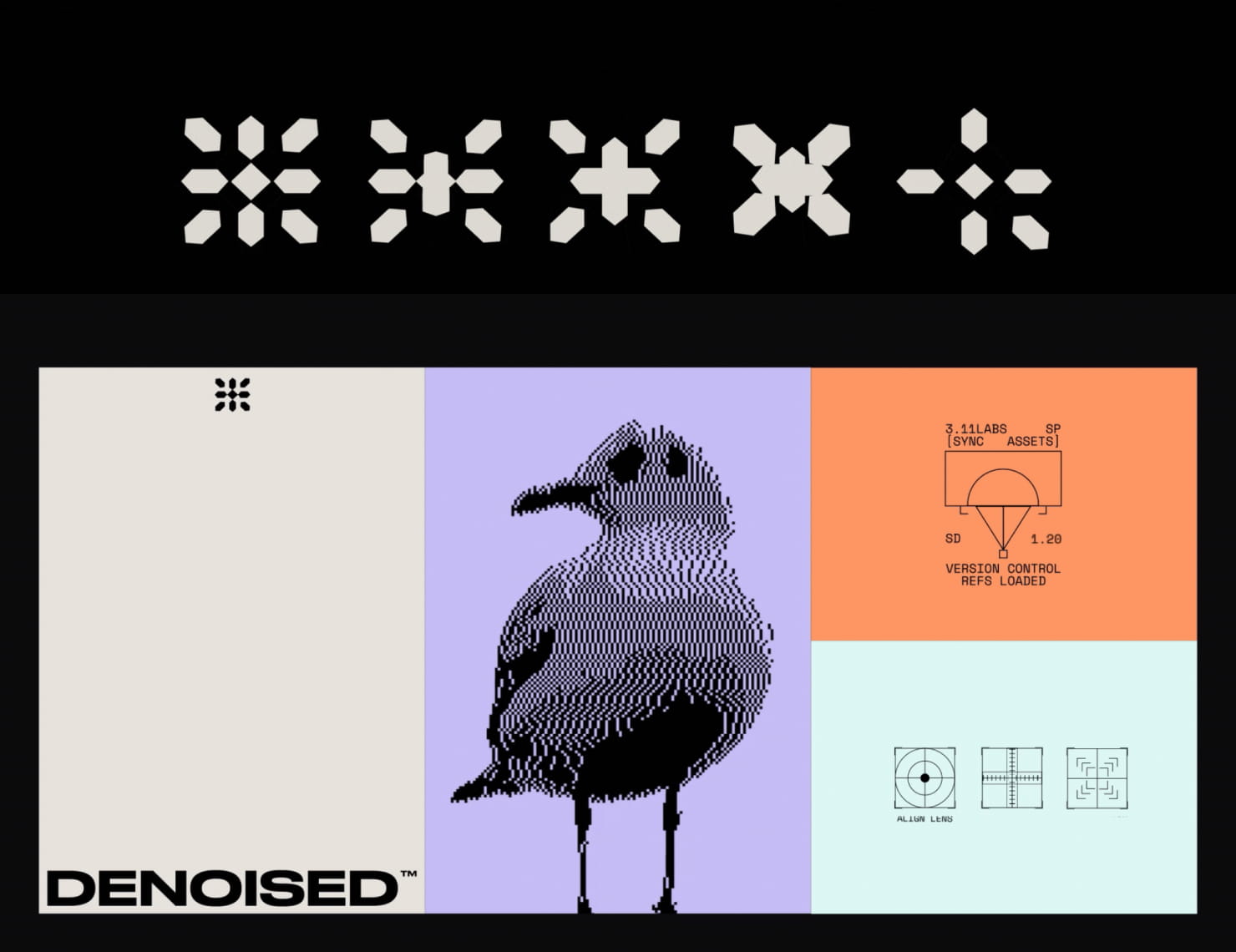
Adaptive & Dynamic Logos
In 2026, logos are increasingly moving beyond a single fixed mark and evolving into flexible visual systems. Instead of a static form, brands adopt identities that can change composition, scale, or structure depending on the context—digital platforms, social media, print, or physical spaces.
Adaptive and dynamic logos combine decorative expressiveness with a thoughtfully designed system of variations. These changes are not random; they are grounded in visual logic that allows the logo to transform while remaining recognizable.
This approach reflects the reality of contemporary branding: a logo no longer exists in a single format. It becomes a living system—capable of adapting while preserving a cohesive visual identity.
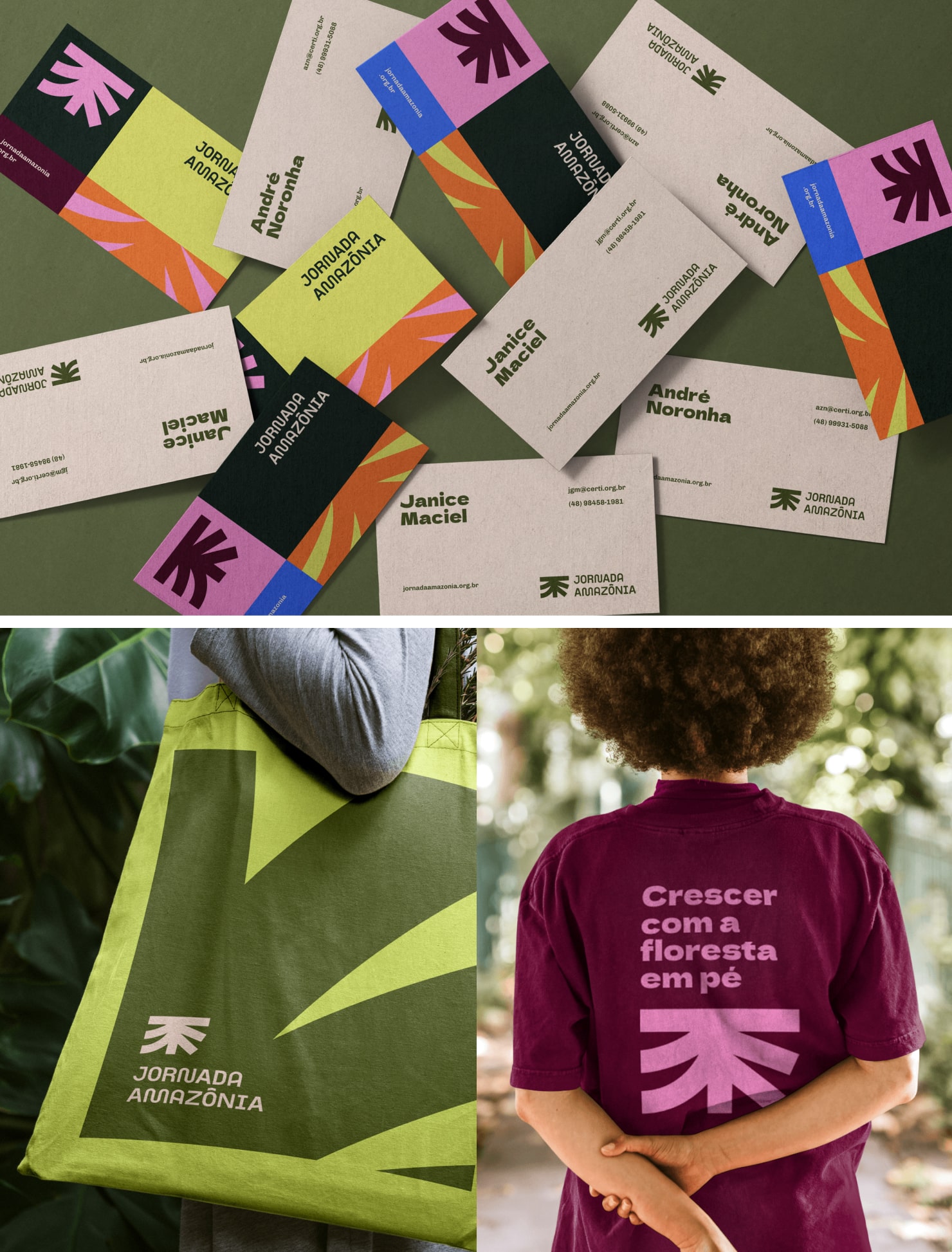
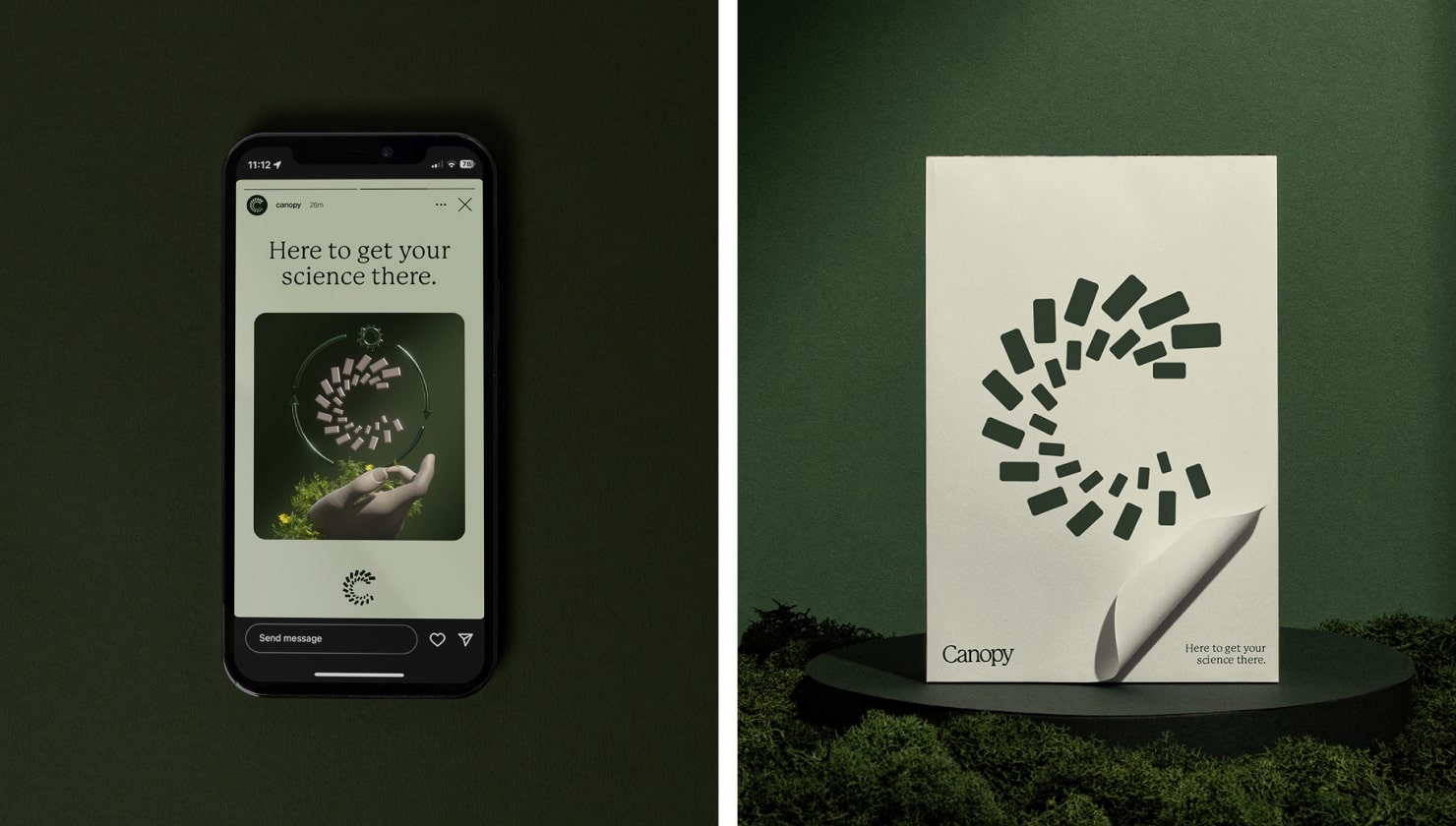
Eco-Logos: The Evolution of Eco-Friendly Branding in 2026
Eco-logotypes in 2026 are breaking away from their traditional roots. Previously, these logos often featured straightforward imagery, such as leaves, trees, or water droplets, to symbolize nature. While modern eco-logotypes still draw inspiration from the natural world, they do so in more abstract, distinctive, and innovative ways.
The color palette has also evolved beyond the familiar greens and earthy tones. Contemporary designs incorporate vibrant hues inspired by diverse flowers, tropical fruits, and citrus elements, adding freshness and versatility to the eco-aesthetic.
One of the most significant trends is adaptability. Today’s eco-logotypes are designed to seamlessly customize across various platforms, devices, and contexts. This ensures a consistent brand identity while optimizing user interactions. In an increasingly diverse digital landscape, this flexibility is essential for brands to effectively connect with their audiences across multiple channels.
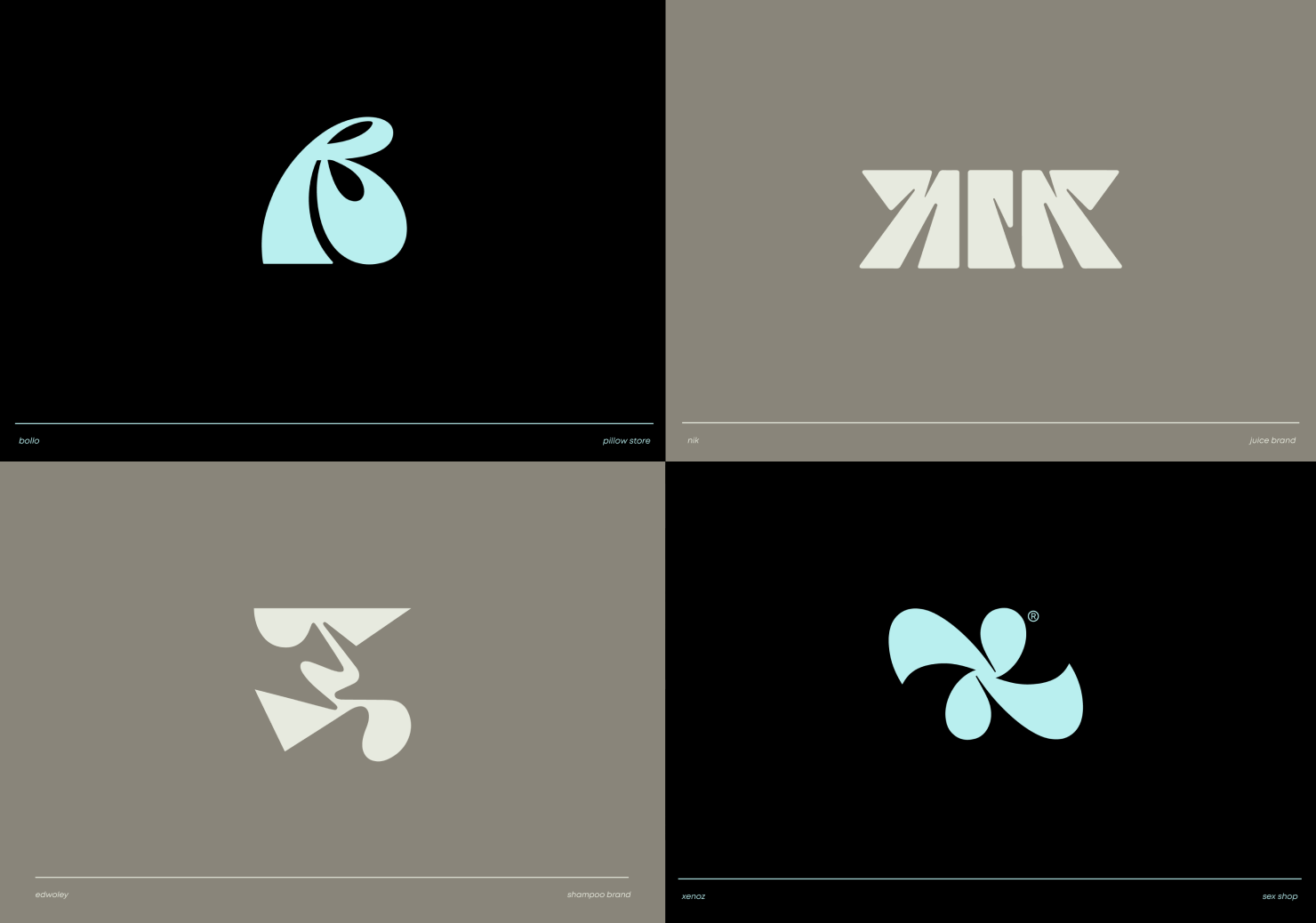
Fluid Geometric Minimalism: A Perfect Balance of Movement and Structure
This design trend masterfully blends organic, flowing curves with sharp geometric elements to achieve a sense of harmony and balance. The fluid shapes convey movement and energy, while the structured angles provide stability and clarity.
By stripping away unnecessary details, these logos focus on bold yet simple forms, making them visually striking, modern, and versatile for a wide range of applications and brands. This minimalist approach strikes a delicate balance between playfulness and sophistication. While some shapes exude dynamism and fun, with swirling or abstract curves, others project a polished and refined tone through clean, intentional lines.
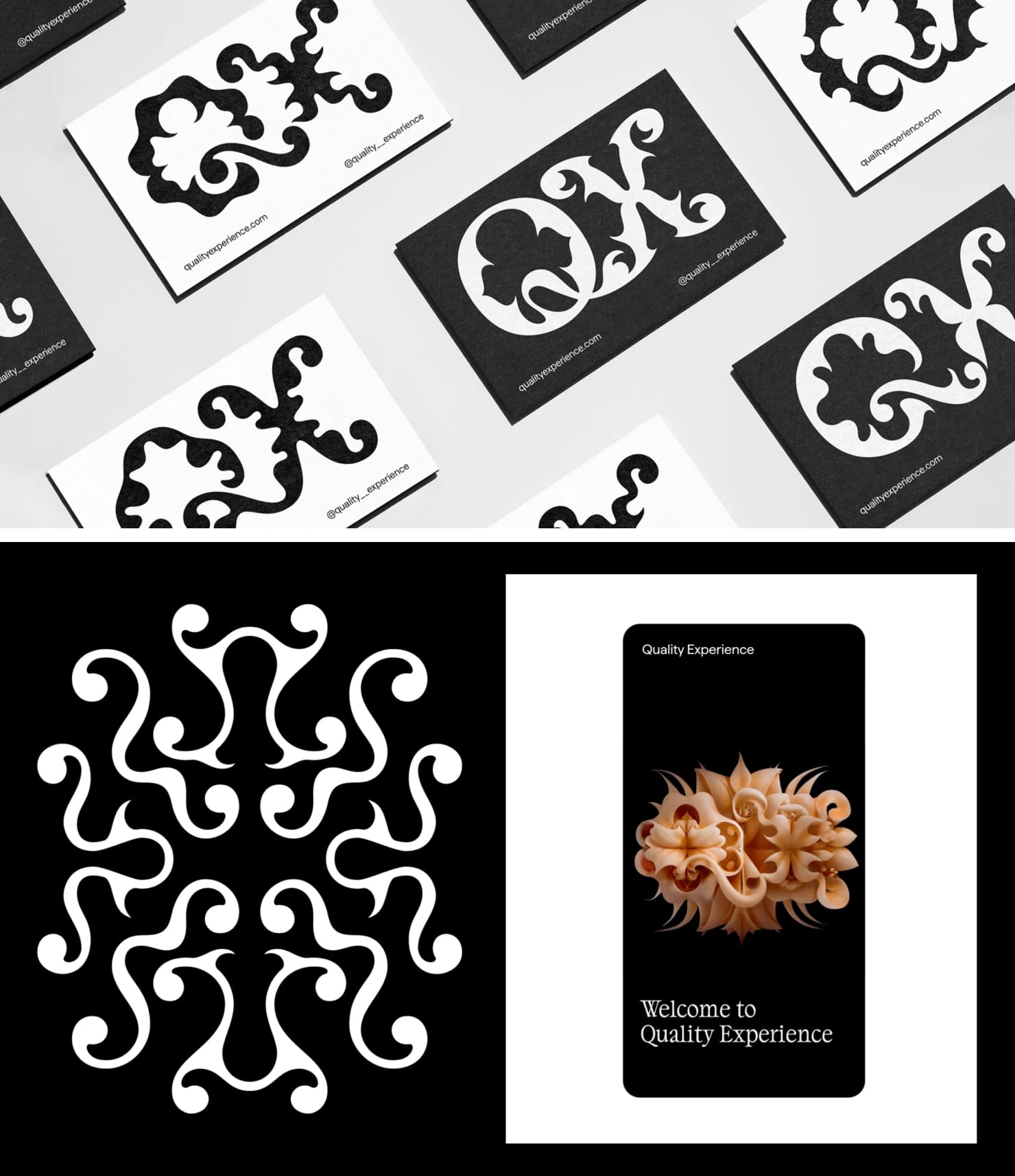
Biomorphic Design: Embracing Nature’s Organic Aesthetics
Biomorphism refers to a design style inspired by the shapes, patterns, and structures found in nature and living organisms. The term derives from the Greek words bios (life) and morphē (form), meaning “life-like shape.”
The hallmark of biomorphic design lies in its organic forms. Unlike rigid straight lines or geometric symmetry, biomorphic designs prioritize flowing, curved shapes that evoke natural elements such as plants, animals, water waves, or even microscopic cellular structures.
These forms convey a sense of growth, movement, and evolution, reflecting the adaptability and transformation inherent in living organisms. With their soft, harmonious aesthetic, biomorphic designs create a sense of comfort, accessibility, and balance. This natural fluidity contrasts sharply with the rigidity of mechanical lines, offering a more inviting and human-centric visual appeal.
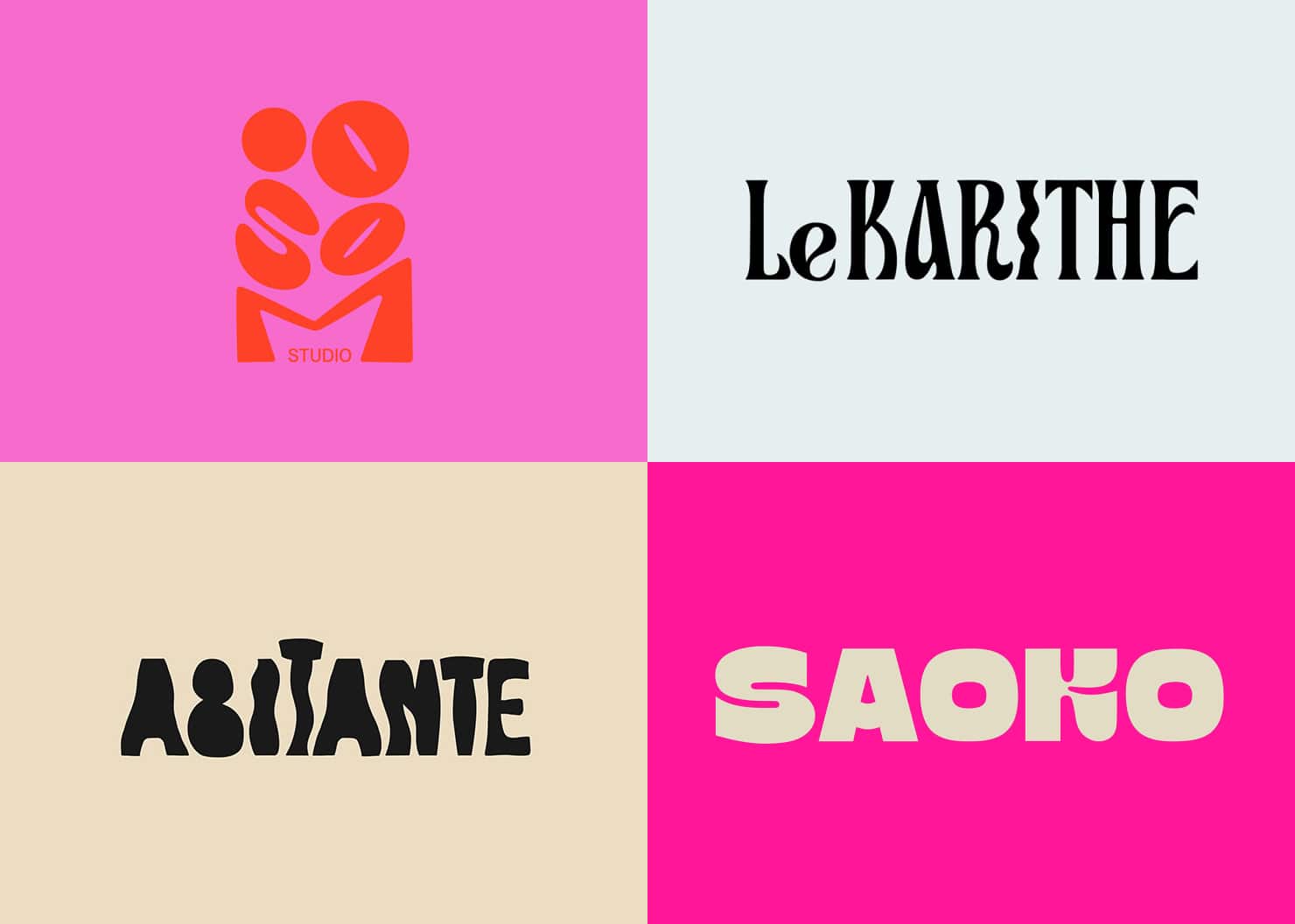
Typography With the Twist
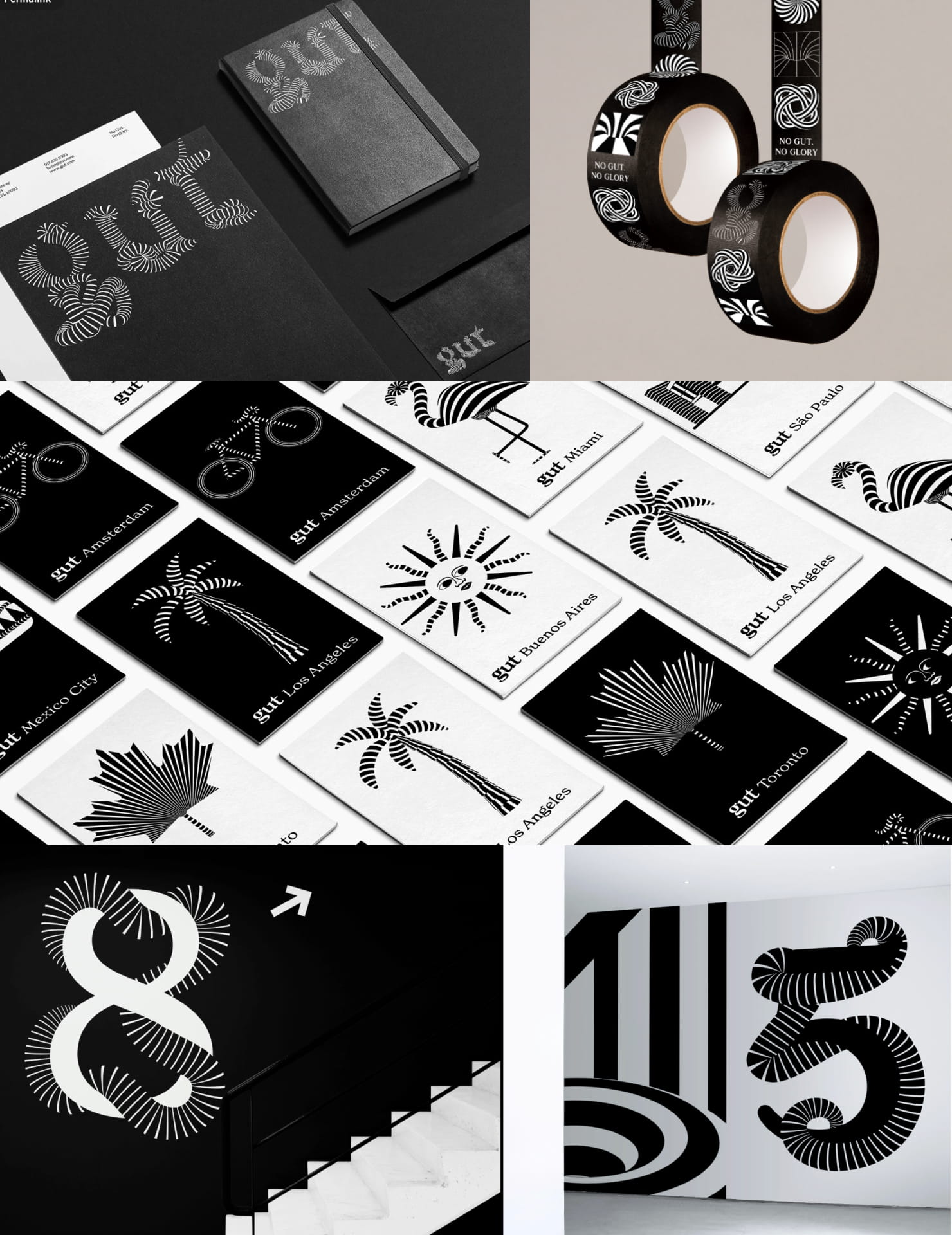
Creating trendy logos using quirky fonts is an exciting task that requires creativity and aesthetic sense. One of the key elements of such eclectic logos is the use of fonts with unique, intriguing shapes and zigzag lines. These fonts add extravagance and originality to the final design.
When creating logos with the twist, it is important to consider the balance between quirkiness and readability. Although fonts may have unusual shapes, the text should remain easy to understand. The color palette also plays an important role in creating a trendy effect, and using bright or unexpected colors can add expression and attract attention.
In addition, the effectiveness of a logo is determined by its adaptability to different media platforms and sizes. Fancy fonts have the potential to create unique and memorable brand identities, but it's important to consider their reproducibility across formats and aspect ratios.
Finally, the success of a trendy logo with quirky fonts depends on how well it reflects the brand’s style and values, and how well it resonates with the target audience. Try experimenting with shapes, colors and composition to create a logo that impresses and leaves an indescribable impression.
3D Logos
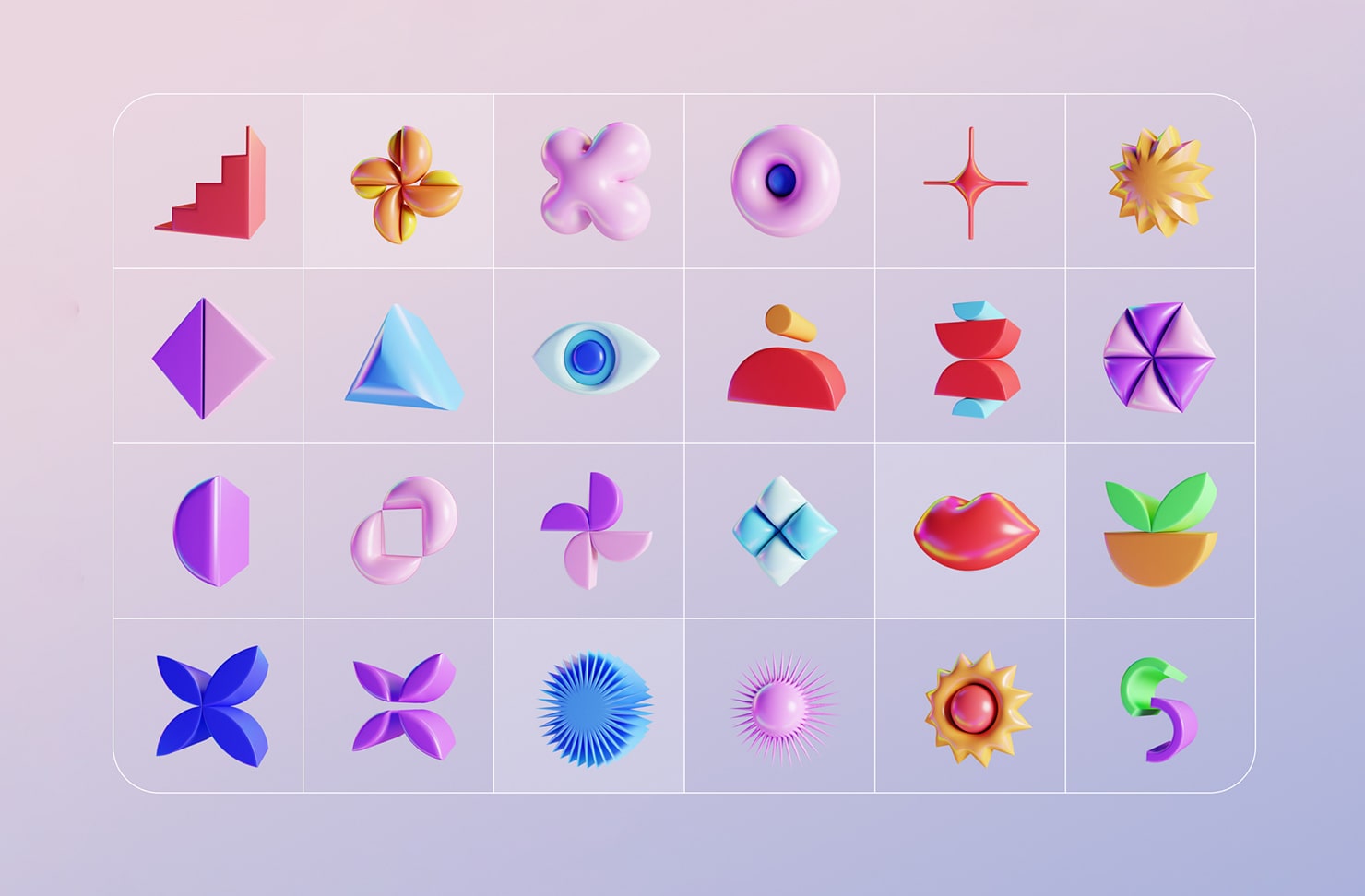
Creating 3D logos requires technical knowledge and artistic vision. One of the current trends is the use of different materials to give logos depth and texture. For example, the effective use of glass can add transparency and shine to the logo, creating the impression of volume. Plastic elements can add lightness and modernity, as well as provide the opportunity to use bright colors and gradients.
Another interesting aspect of 3D logo creation is the style that resembles inflatable balls. This look can be achieved with the help of special effects that give the logo lightness and convexity. This approach is often used to create fun and engaging brand identities that grab attention and leave a positive impression.
Liquid Mercury and Chrome Fonts
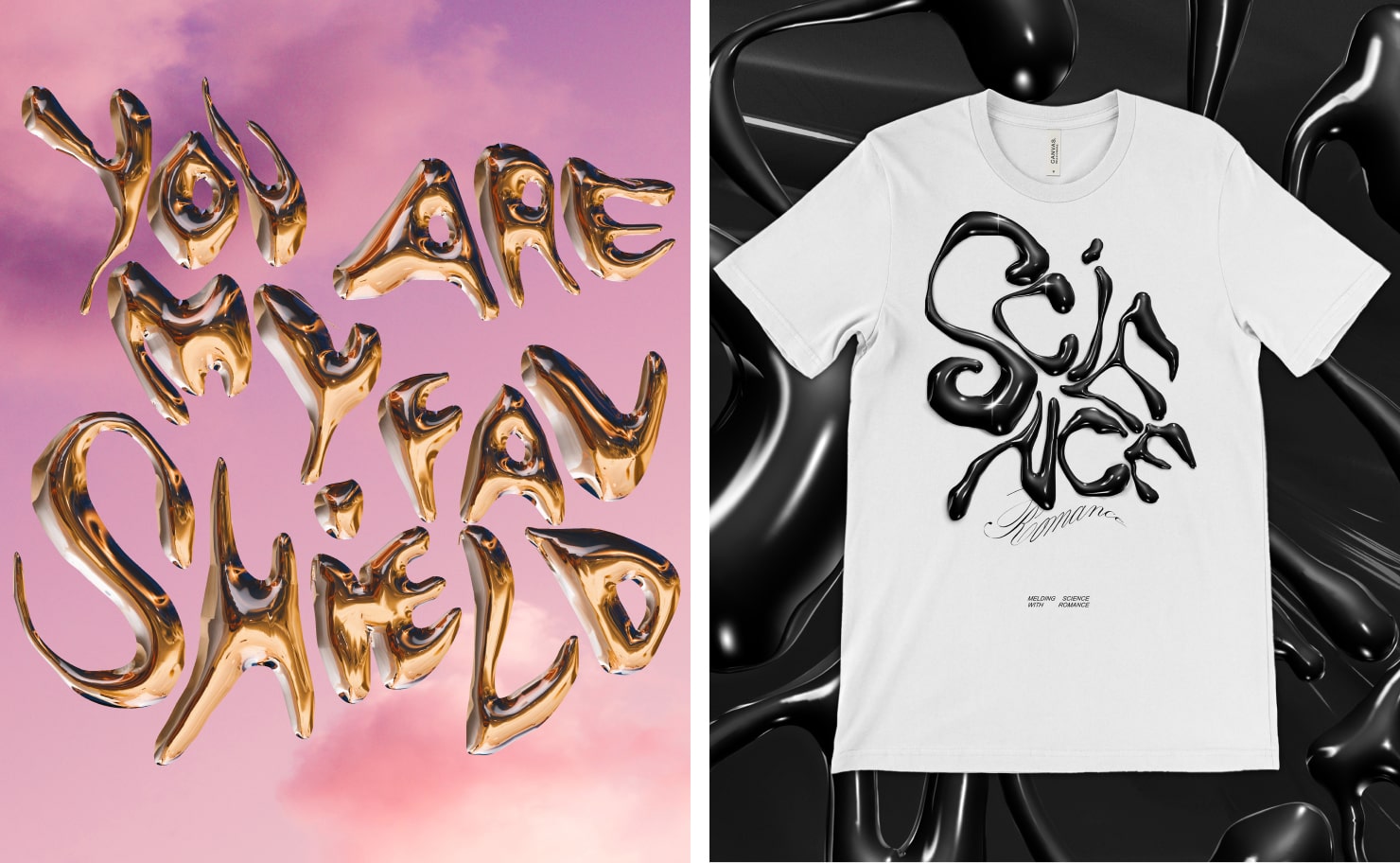
These logos are described as liquid metal, liquid mercury or chrome graphics. Whatever you call it, shiny typography, 3D logos and textured illustrations are everywhere now and will continue to capture the attention of users in 2026. These typeface logos, with their unevenly distributed weight, rounded corners and overall sense of organic infusion into the letterforms, look like molten metals.
Distorted Geometry
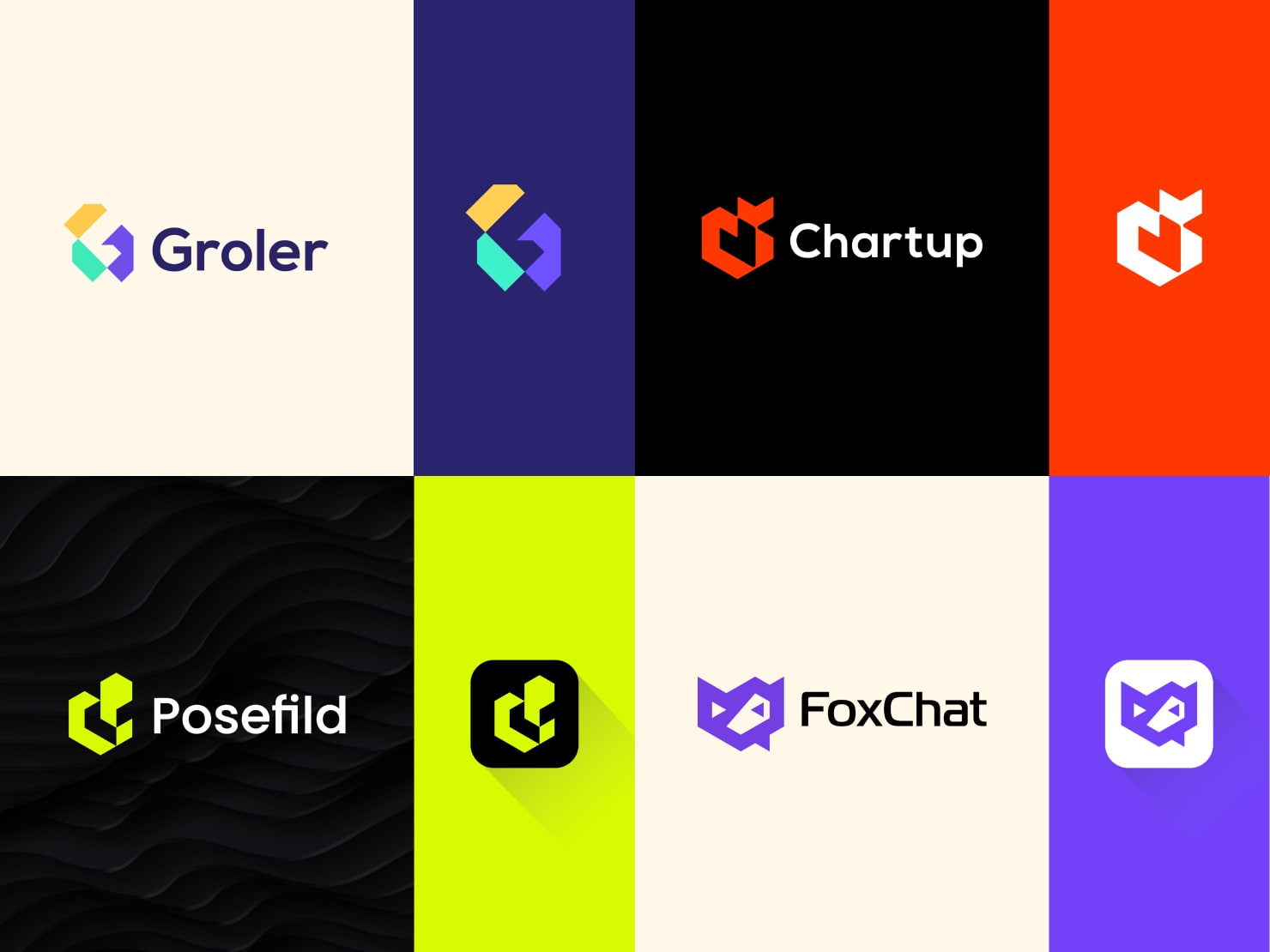
For many years, geometric logos have dominated the design space. Because of their simplicity, brevity, restraint, clarity and precision, they’ve won over many fans. But, in 2024, designers will break all the mathematical rules and change the appearance of designs from the usual geometry. New, consciously broken geometric logos will look like modern rebels among the typical geometry of past years. They are impudent, with sharp corners, missing parts and unusual forms that will not leave anyone feeling indifferent.
Cartoon Logo
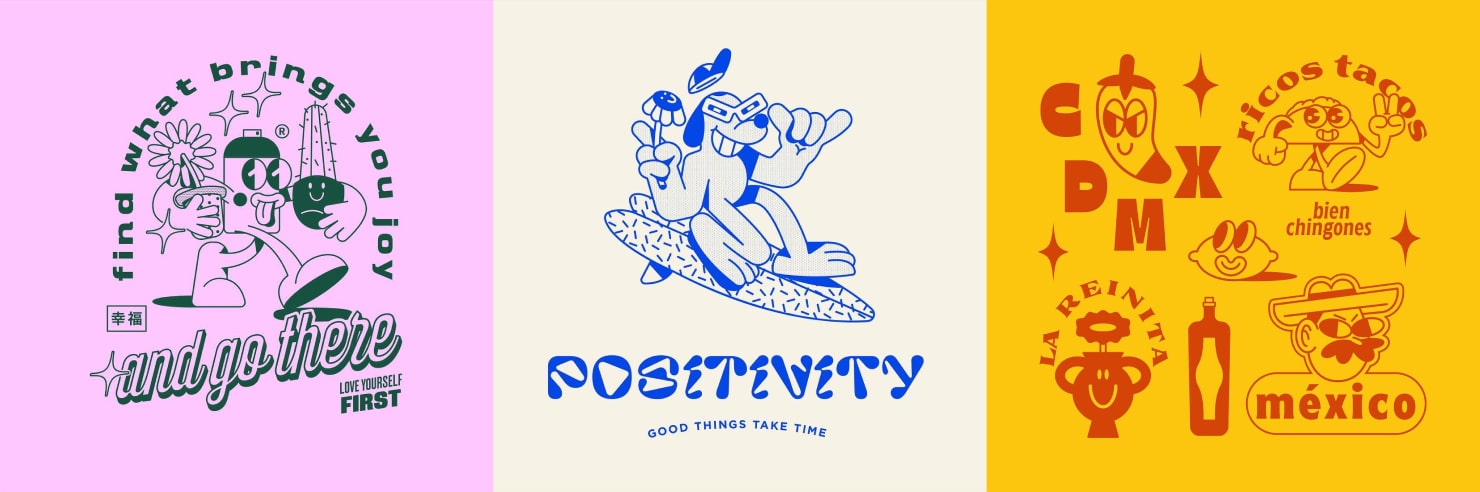
Cartoon logos continue to be popular in 2026. A fun, nostalgic, retro character in the style of the 60s and 70s, combined with positive slogans, is especially popular. Complemented by excellent animation, cartoon mascots come to life as dynamic and attractive logos for various business areas, not just for brands that target the youngest audience.
The Final Verdict
At the end of the day, logo trends to rock the 2026 creative season are marvelous opportunities for brands to speak to their customers in a clear and friendly voice while preserving their unique identity. Thanks to modern illustration software, like Amadine, interested parties can easily choose a logo design perfect for their brand.