
Building Brand Identity. A Guide for Designers in 2026
Let’s be real: the design landscape in 2026 is a wild, beautiful, and slightly chaotic frontier. We’re no longer just designing for a static storefront or a simple business card; we’re designing for augmented reality interfaces, lightning-fast social feeds, and hyper-personalized digital ecosystems. If you’re looking to build a brand identity today, you aren’t just “making things look pretty.” You’re building a living, breathing soul for a business.
Brand identity is the deliberate collection of visual and conceptual elements that communicate a company’s personality to the world. Think of it this way: if a brand were a person, the brand would be their reputation, but the brand identity would be their face, their voice, their wardrobe, and the way they shake your hand. It’s the tangible part of the intangible. And in 2026, where attention spans are measured in milliseconds, your identity needs to hit hard and stick fast.
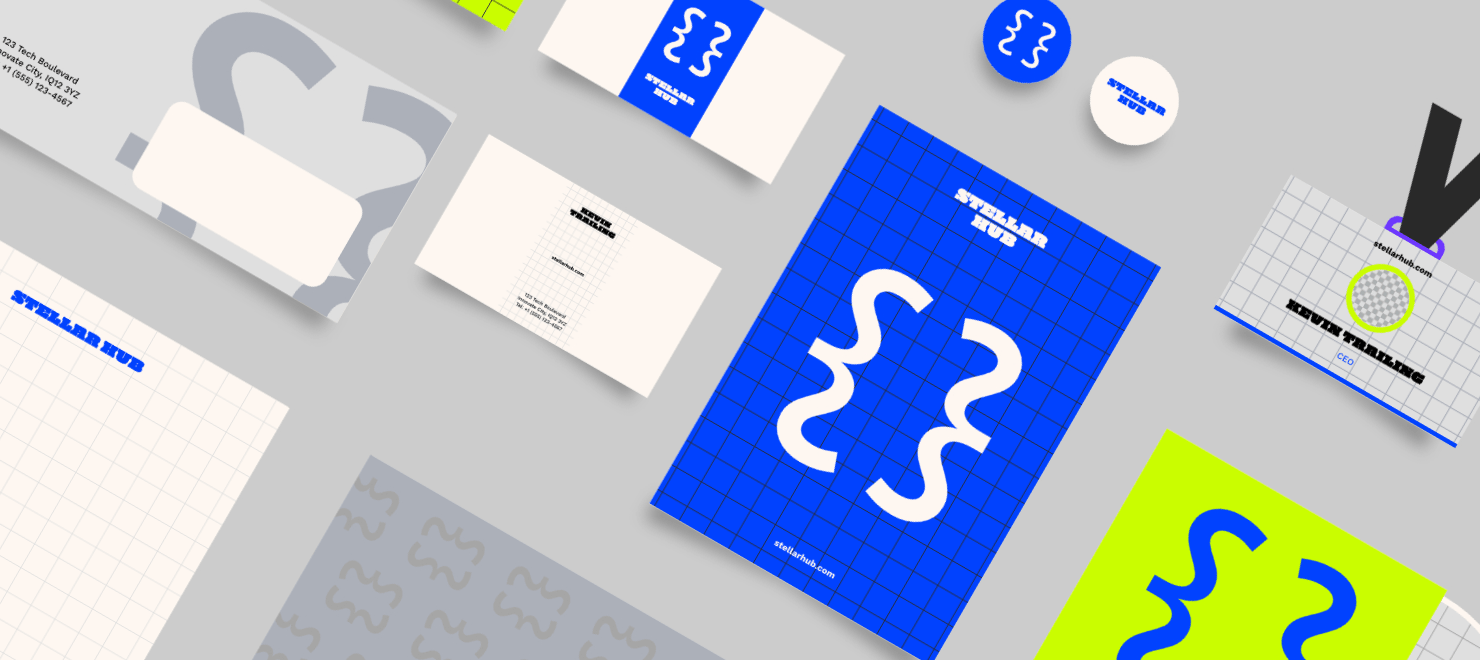
What Exactly Is Brand Identity (And Why Does It Matter in 2026?)
Before we pick up a stylus, let’s kill a common myth: Your brand identity is not your logo. A logo is a signature—it’s a mark of ownership. But a brand identity? That’s the entire handwriting. It encompasses your colors, your fonts, the way your images feel, and even the “vibe” of your micro-interactions on an app. In 2026, identity lives everywhere—from a 16×16 pixel favicon to a massive digital billboard, in the micro-animations on an app, the color of a “Buy Now” button, and the specific grit of a photo filter.
Why does this matter? Because trust is the currency of the modern economy. A cohesive identity signals professionalism and reliability. Without it, you’re just another “unverified” voice in a sea of digital noise.
Strategy—The DNA Behind the Design
You wouldn’t build a house without a blueprint, right? So why do so many designers jump straight into Illustrator? Strategy always comes before visuals. In 2026, “building brand identity” starts with deep-dive research. You need to know who the target audience is—and I don’t just mean “males aged 25–40.” I mean: What keeps them up at night? What apps do they use? Do they prefer sustainability over speed? If your brand is for eco-conscious Gen Z travelers, your visual language needs to scream “Authenticity” and “Transparency,” not “Corporate Polish.”
Audience Archetypes and Emotional Positioning
Your goal is to find the “White Space.” If every competitor is using “Corporate Blue” and talking about “Efficiency,” maybe your brand should use “Earth Green” and talk about “Human Connection.” Positioning is about finding a corner of the market you can own.
Pro Tip: Define the brand’s tone of voice early. Is it a “snarky best friend” or a “wise mentor”? This will dictate whether your corners should be rounded or sharp, and whether your colors should be neon or pastel.
Crafting the Visual Foundation
Once the strategy is locked in, it’s time to build the “Big Three”: Color, Type, and Style.
The Color System: More Than Just Aesthetics
Colors aren’t just pretty; they’re psychological triggers. In 2026, we also have to consider accessibility and digital vibrancy.
- Primary Colors: The “hero” colors that scream the brand name.
- Secondary/Accent Colors: These provide variety and help with “UI/UX” hierarchy.
- Dark/Light Modes: You must design for both. How does that vibrant purple look on a jet-black OLED screen versus a white paper bag?
Typography: The Voice of the Brand
Typography is the “body language” of your text. A bold, geometric sans-serif feels modern and tech-forward. A high-contrast serif feels luxurious and editorial.
- Pairing: Limit yourself to two, maybe three typefaces.
- Readability: In 2026, your font needs to be legible on a smartwatch and a 70-inch TV alike.
Designing a Responsive Logo Ecosystem
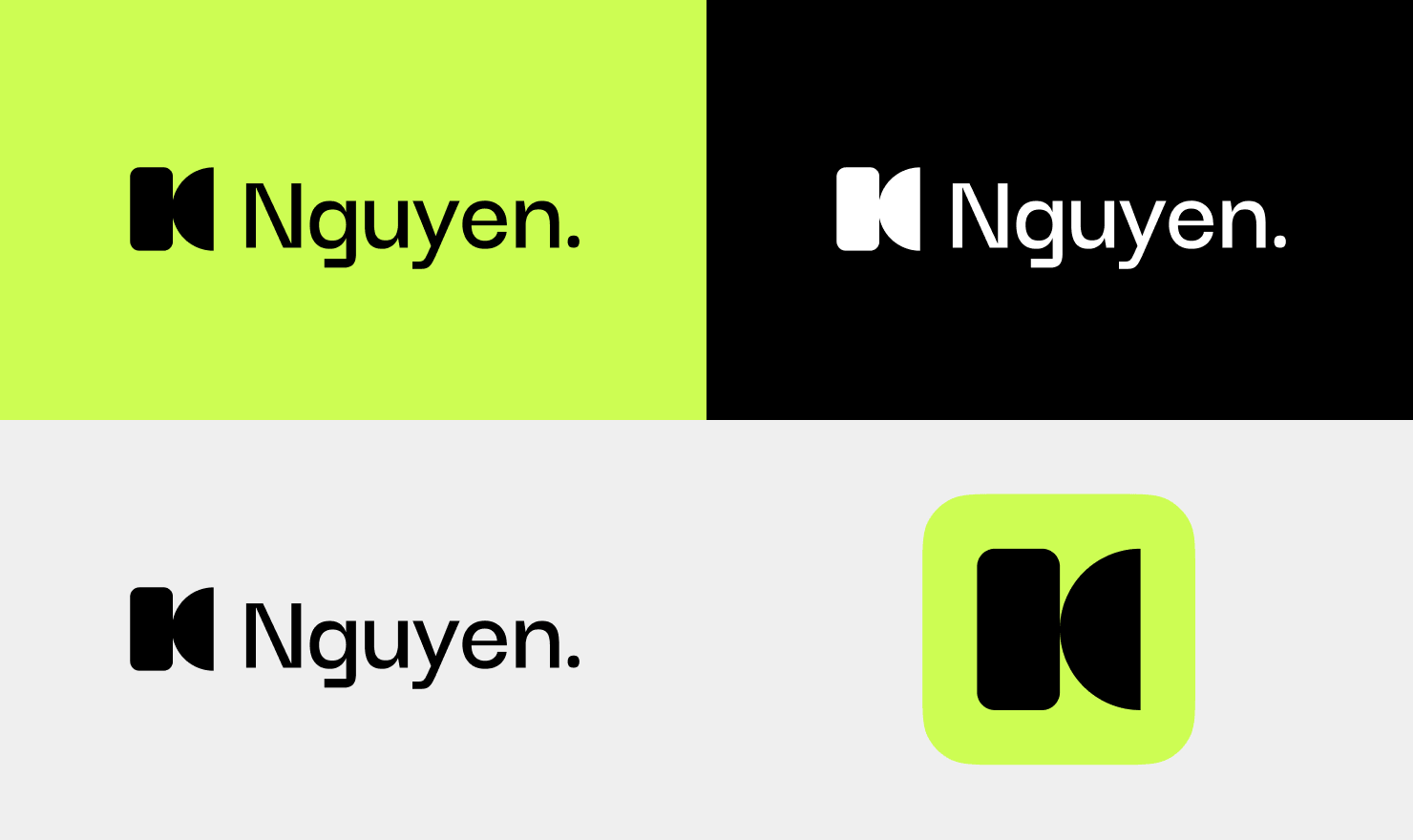
In the old days, you had one logo. Today, you need a system. The “Main Logo” is rarely used in isolation. You need a Responsive Logo System:
- Primary Logo: The full version for websites and headers.
- Secondary/Stacked Logo: For vertical spaces.
- Submark/Icon: The simplified version for social media profiles and app icons.
The best logos in 2026 are “Scalable Vectors.” They should be simple enough to be embroidered on a cap, but detailed enough to look stunning in 4K resolution.
Developing a Unified Visual Language
This is where “good” designers become “great” designers. A brand isn’t just a logo and a font; it’s a system of shapes, textures, and layouts.
Iconography: Do your icons have rounded corners or sharp edges? Are they “line-art” or “filled”? Imagery: What’s the “filter” for the brand’s photography? Is it high-contrast and gritty, or soft and airy? Visual Rhythm: Establish a grid system. Consistency is what makes a brand feel like a brand. If every social media post looks different, you don’t have an identity; you have a scrapbook.
Scaling Across Real-World Assets
Theory is great, but how does the brand look in the wild? In 2026, “real-world” means omnichannel. You need to mock up the identity on:
- Digital Interfaces: How does the brand behave in an app or a website?
- Social Content: Templates for TikTok, Instagram, and LinkedIn.
- Physical Touchpoints: Packaging that feels good in the hand or business cards that people actually want to keep.
Documentation—The Brand Bible
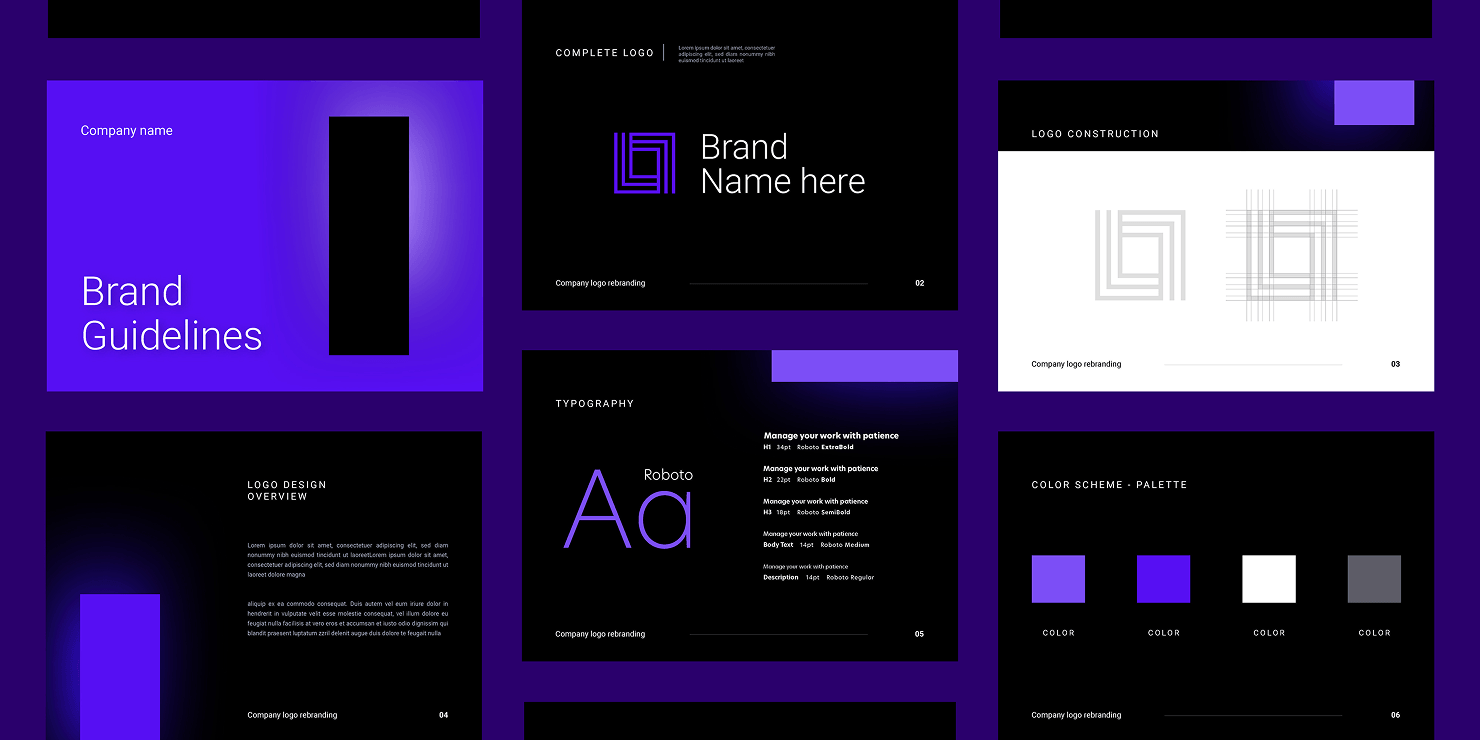
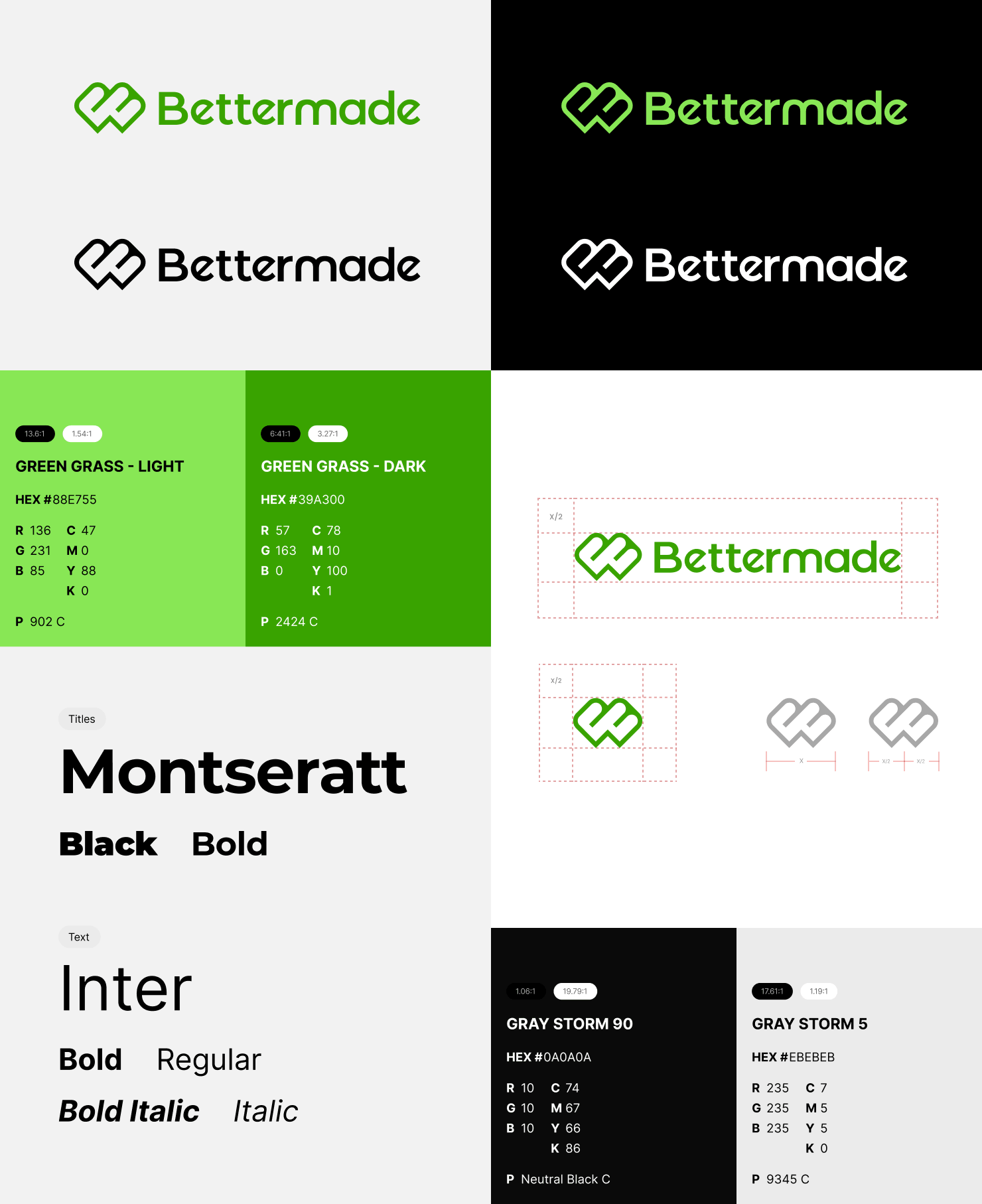
If you don’t write it down, it will be broken. A Brand Guidelines document is the “instruction manual” for the identity. It should include:
- Logo Clear Space: How much “breathing room” the logo needs.
- Color Codes: Hex, RGB, and CMYK (yes, print still matters!).
- Type Hierarchy: What font to use for H1 vs. Body text.
- The “Don’ts”: Show examples of the logo stretched, skewed, or in ugly colors to prevent future “creative” mistakes by non-designers.
Stress-Testing the Identity
Before handing over the files, you have to break things.
The “Blur Test”: If you blur your design, can you still recognize the brand through its color and layout? The “Mobile Test”: Does the logo become a blob on a small screen? The “Context Test”: Put the brand next to its three biggest competitors. Does it stand out, or does it blend into the background?
The Art of Evolution (Staying Relevant)
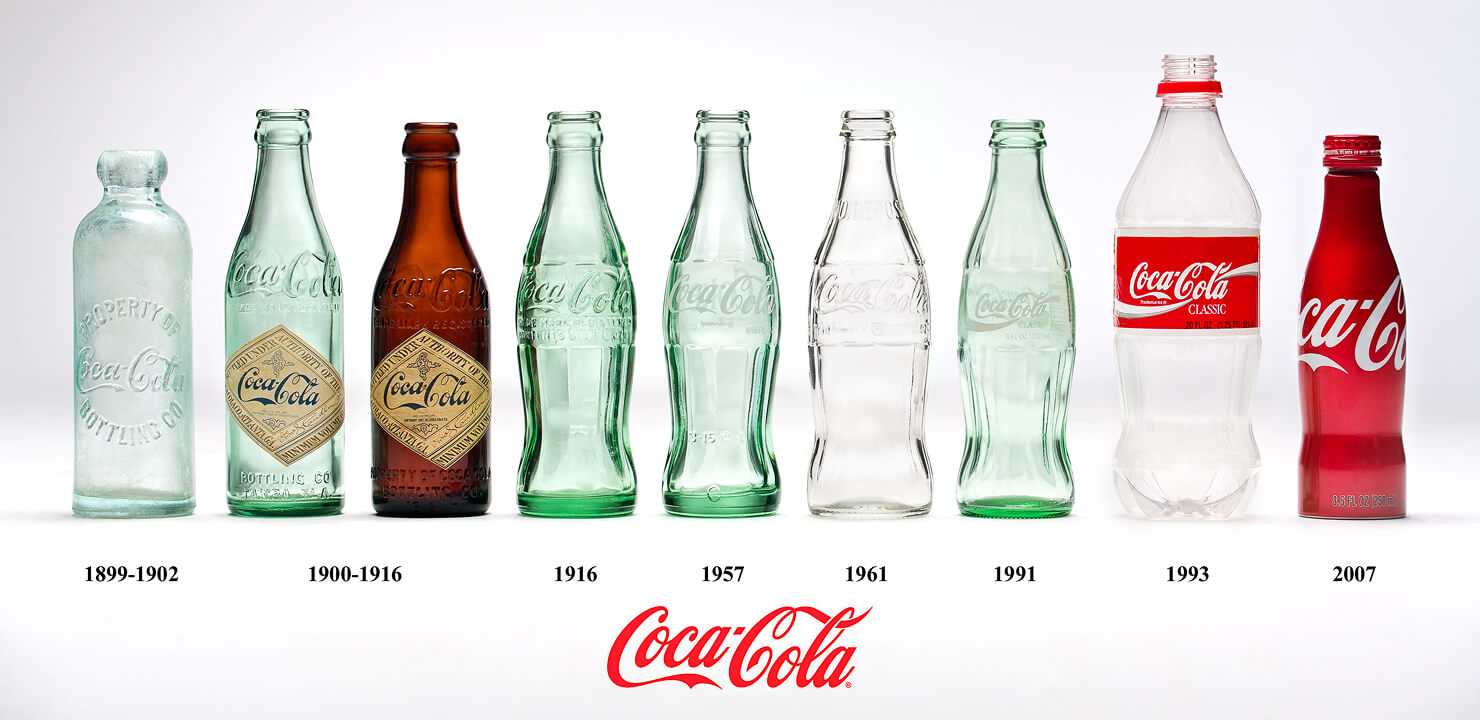
A brand identity is a living organism, not a stone monument. In 2026, the best brands are adaptive. Don’t be afraid to tweak the system as the company grows. The core DNA should remain, but the “outfit” can change. Think of how Apple or Google have evolved over the decades—they stayed recognizable while staying modern.
Common Pitfalls: Why Some Identities Fail
- Chasing Trends: Don’t design a brand based on a fleeting TikTok trend that will be dead by next season. Aim for timelessness.
- Overcomplicating: If you can’t explain the logo in five seconds, it’s too complex.
- Ignoring the User: You aren’t designing for the CEO’s ego; you’re designing for the customer’s eyes.
- Lack of Flexibility: If the brand only works on a white background, you’re in trouble.
The Tech Stack: Modern Tools for Modern Makers
To build these systems efficiently, designers are moving away from bloated software. We’re seeing a massive shift toward tools that allow for vector-based precision and cross-device flexibility.
Modern apps like Amadine have become essential for creators who need a balanced, intuitive workflow for vector graphics without the “subscription fatigue” of older giants. Whether you’re on a Mac, iPad, or iPhone, the ability to tweak a brand asset on the go is no longer a luxury—it’s a requirement for the 2026 workflow.
Frequently Asked Questions (FAQs)
How long does it usually take to build a full brand identity?
While a logo can be made in a day, a full identity—strategy, visuals, and guidelines—usually takes 4 to 8 weeks depending on the complexity of the business.
Should I use AI to design a brand identity in 2026?
AI is a great tool for brainstorming and mood-boarding, but it lacks the “strategic soul” required for a unique identity. Use AI to explore ideas, but use your human hands (and vector tools) to craft the final system.
Is print design still relevant for brand identity today?
Absolutely. Physical touchpoints (packaging, signage, merch) provide a tactile connection that digital simply can’t replicate. A brand that lives only on a screen often feels “thin.”
What is the most important part of a brand identity?
Consistency. Even a “mediocre” design can become a powerful brand if it is used consistently over ten years. A “brilliant” design that changes every month will never gain traction.
Do small startups really need a full brand system?
Yes! In fact, startups need it more. They are fighting for recognition against established giants. A professional identity makes a “two-person team” look like a global player.
Conclusion: Identity is an Ecosystem
Building a brand identity is like planting a tree. You start with the roots (Strategy), build a strong trunk (Visual Foundation), and then let the branches (Assets) grow and reach out to the world. It’s a disciplined, strategic process that balances art with logic.
In 2026, the designers who win are the ones who stop thinking about “deliverables” and start thinking about “experiences.” Keep it consistent, keep it simple, and above all, keep it human.